
5, Sep 2025
Basic American Foods
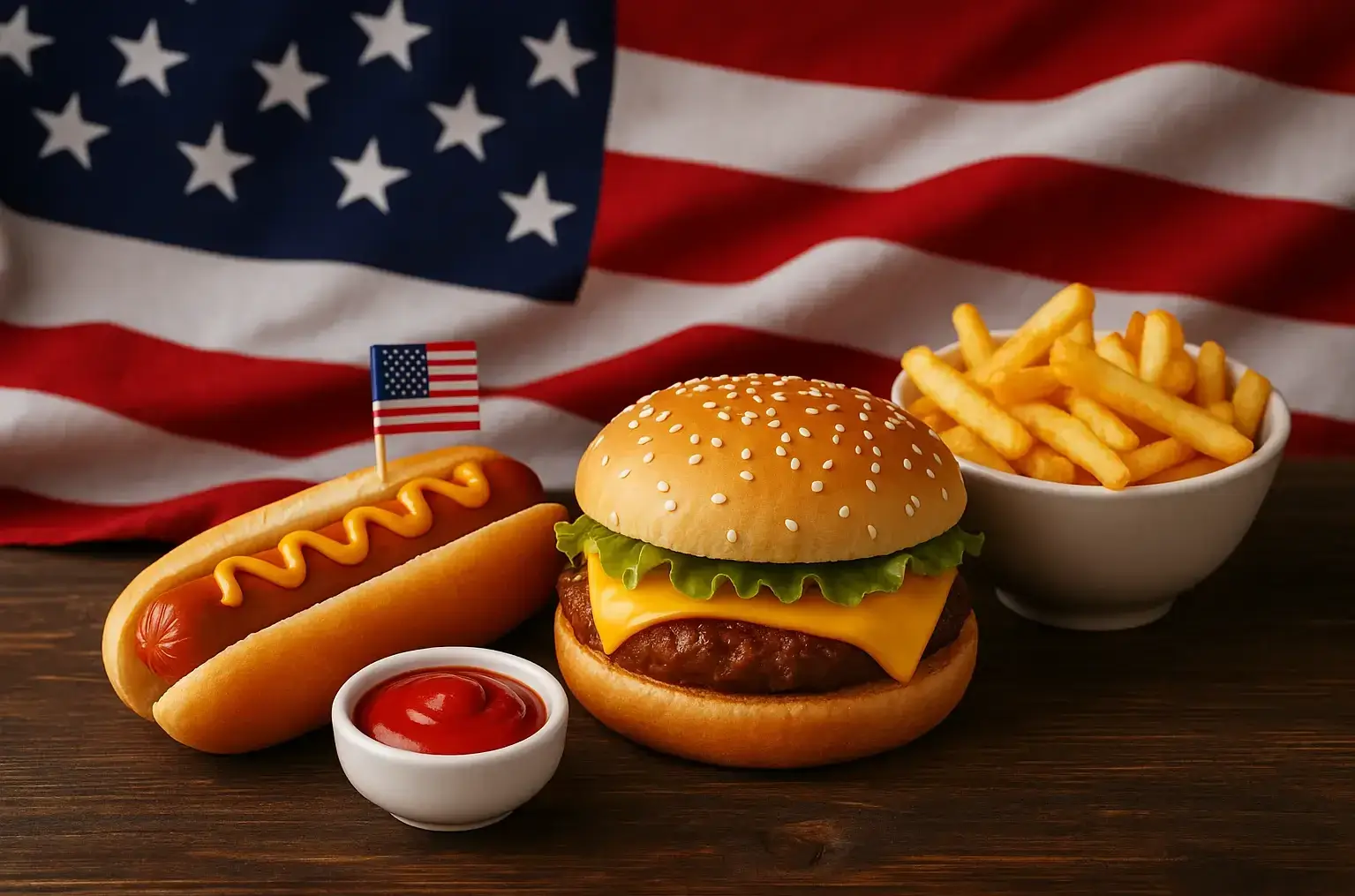
Basic American Foods You Need to Try for a Taste of Tradition
Basic American foods are more than just meals; they’re memories on a plate. Think about it—every bite of a burger, every spoonful of mac and cheese, every slice of pie tells a story about how people live, share, and celebrate across the country. Food isn’t stuck in time either. What we call “basic” has shifted over decades, mixing traditions with new flavors. And that’s what makes exploring American cuisine such a fun ride—you’re never really eating the same thing twice.
History of basic American foods
The roots of basic American foods reach back to the earliest days of settlement, when ingredients were limited and cooking was a mix of necessity and creativity. Corn, beans, and squash formed the foundation, inspired by Native American agriculture and cooking traditions. Over time, settlers layered in European techniques, giving rise to the rustic breads, hearty stews, and early pies that would define comfort food for generations.
As America expanded, so did its pantry. Foods like barbecue, fried chicken, and chowder became household staples, shaped by geography and climate. It wasn’t just about eating—it was about survival and community. Shared meals often doubled as social glue, where neighbors gathered over what was on the table. This created a deep cultural tie between food and togetherness that’s still visible today.
By the 20th century, industrialization changed the game. Convenience became king, and canned goods, frozen meals, and fast food reshaped what “basic” looked like. Some argue it diluted traditions, but in reality, it added another chapter to the evolving story of American cuisine.
Why traditional dishes still matter today
Even in an age of fusion cuisine and global influences, traditional American foods continue to hold a special place. There’s something grounding about returning to basics—pot roast, mashed potatoes, apple pie—that connects generations across time. These dishes are more than recipes; they’re cultural touchstones that remind people where they came from.
Interestingly enough, research shows that comfort foods often reduce stress by triggering positive memories. That explains why many Americans turn to chicken soup or grilled cheese during difficult times. Food offers more than nourishment—it’s emotional stability in edible form.
Then again, traditional foods are also a way to preserve history. Family recipes, handed down through generations, keep personal and cultural heritage alive. In an era where change is constant, food becomes a steady anchor.
Regional differences in American food culture
One of the most fascinating things about basic American foods is how drastically they vary from region to region. Southern cooking leans into fried chicken, biscuits, collard greens, and sweet tea. Up north, clam chowder, bagels, and hot dogs take center stage. Out west, fresh produce and Mexican influences shine in dishes like tacos and burritos.
The Midwest has its own comfort food classics—think casseroles, potlucks, and hearty meat-and-potato meals. Each region reflects its history, climate, and cultural influences, turning American cuisine into a patchwork quilt of flavors. That’s why exploring food across states feels like tasting history in motion.
As a matter of fact, regional food identity is so strong that many travelers plan entire trips around eating their way through iconic dishes. From New Orleans gumbo to Chicago deep-dish pizza, these foods tell the story of America through flavor.
The role of comfort food in American life
Comfort food isn’t just a category—it’s a cultural phenomenon. Macaroni and cheese, mashed potatoes, fried chicken, and casseroles dominate dinner tables not because they’re fancy, but because they feel like home. They bring familiarity, satisfaction, and nostalgia with every bite.
On the other hand, comfort food has evolved. Today, people experiment with gourmet versions of the basics—truffle mac and cheese, artisanal burgers, or plant-based fried chicken. The essence remains the same, but the creativity reflects modern tastes.
You see, comfort food continues to shape gatherings, celebrations, and even marketing. Brands often lean on nostalgia when advertising, knowing that a bowl of chili or a slice of pie can tug at heartstrings just as much as it satisfies hunger.
Iconic breakfast staples across the US
Breakfast has always been a highlight of American food culture. From stacks of pancakes drizzled with maple syrup to bacon and eggs sizzling in the pan, these staples define the morning routine. The classic diner breakfast—coffee, toast, eggs, hash browns—is iconic for a reason.
Regional variations shine here too. In the South, biscuits and gravy are a must-have. In New York, bagels with cream cheese dominate. Out west, breakfast burritos filled with eggs, cheese, and salsa reflect cultural blending at its best. Each region puts its own spin on what makes breakfast “basic.”
Interestingly, modern trends are reshaping breakfast. Smoothie bowls, avocado toast, and oat lattes have carved their way into the lineup. Yet the classics endure, proving that bacon and pancakes aren’t going anywhere anytime soon.
Classic American lunch favorites
When lunchtime rolls around, sandwiches take the spotlight. Burgers, BLTs, peanut butter and jelly, and grilled cheese are all quintessential American staples. These meals are fast, filling, and endlessly customizable—perfect for the country’s busy lifestyle.
Then again, soups and salads also hold their ground. Chicken noodle soup, clam chowder, and Caesar salad represent the lighter side of the lunch spectrum, though still steeped in tradition. For many, lunch is about striking a balance between comfort and convenience.
Food trucks have added fresh twists to lunch, offering modern takes on tacos, sliders, and wraps. Yet even with all the innovation, you’ll still find PB&J tucked into lunchboxes across America, proving that simple never goes out of style.
Dinner traditions rooted in history
Dinner has always been the anchor meal of American life, where families gather at the end of the day. Roast chicken, pot roast, meatloaf, and casseroles have long been staples, offering warmth and nourishment. These dishes often reflect immigrant influences layered over time, from Italian pastas to German sausages.
Oh, and speaking of which, Sunday dinners often carry a ritualistic vibe. Families gather around larger meals, carving turkey, sharing mashed potatoes, or passing corn on the cob. These meals aren’t just about food—they’re about connection and tradition.
In modern times, dinner has shifted to include global flavors. Thai curries, sushi nights, and Mediterranean platters now sit side by side with classic American roasts. Still, the sense of community at the dinner table remains central.
Snacks and sides that shaped American eating
Snacks and sides play a bigger role in American eating than people realize. Potato chips, French fries, coleslaw, and cornbread are staples that accompany main meals and sometimes steal the show. Think about a barbecue without corn on the cob or fries with a burger—it just feels incomplete.
Come to think of it, snacks also reflect America’s love for convenience. Popcorn, pretzels, and packaged cookies became everyday indulgences during the rise of processed foods. These items, while simple, are deeply embedded in cultural identity.
Healthier sides are gaining ground today—quinoa salads, roasted vegetables, and fruit bowls—but traditional pairings still dominate gatherings and casual meals. It’s a balance of tradition and change on every plate.
How immigrant influence shaped American foods
Immigrant communities have shaped American food in profound ways. Pizza, bagels, tacos, dumplings, and countless other dishes became part of the “basic” American diet thanks to cultural blending. Every wave of immigration added new layers to the nation’s food culture.
Interestingly enough, many foods now considered “all-American” were born elsewhere. Hamburgers trace back to German immigrants, while hot dogs share similar roots. Italian and Mexican cuisines have been so deeply absorbed into American food culture that they’re now inseparable from the national identity.
All things considered, American cuisine is less about purity and more about adaptation. It thrives on fusion, reinvention, and openness to new flavors.
Where basic American foods are heading in the future
The future of basic American foods lies in balance. Tradition holds strong, but there’s a growing emphasis on health, sustainability, and diversity. Plant-based burgers, organic produce, and global flavors are becoming just as “basic” as burgers and fries once were.
That being said, nostalgia isn’t going away. Classic comfort foods will continue to anchor American cuisine, but they’ll evolve with creative twists to meet new expectations. It’s less about replacing tradition and more about reshaping it.
Ultimately, basic American foods are a reflection of culture in motion. They’ll keep shifting, just like the nation itself—always familiar, yet never static.
FAQ
What are considered basic American foods?
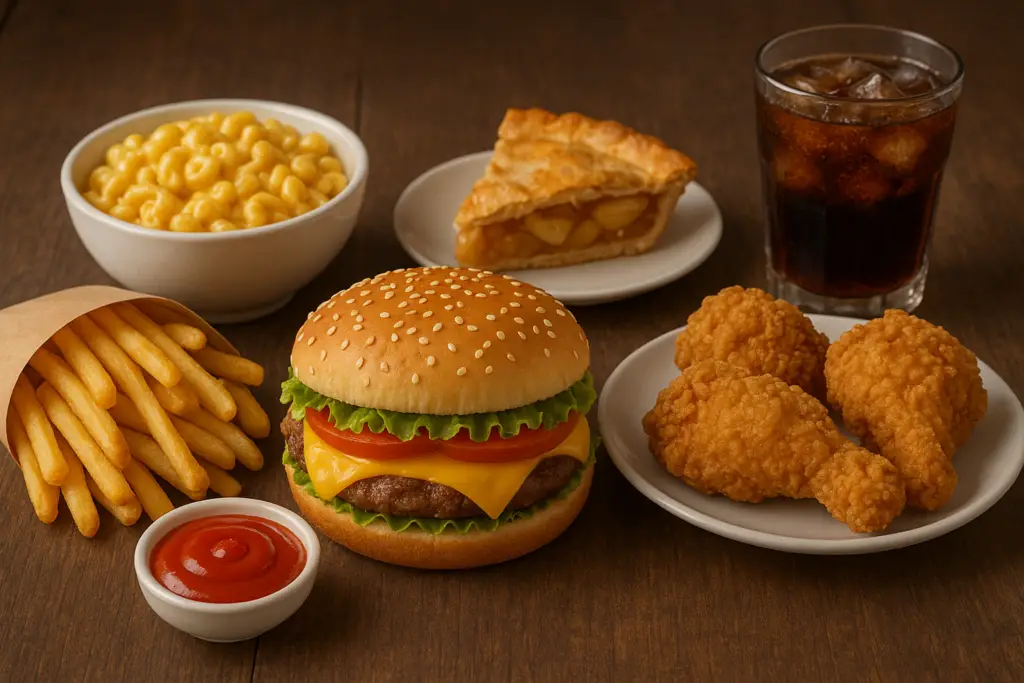
Basic American foods typically include staples like burgers, hot dogs, fried chicken, mac and cheese, apple pie, mashed potatoes, and sandwiches. They’re simple, widely recognized, and deeply tied to cultural traditions.
Why are American foods so diverse?
America’s diversity comes from waves of immigration, regional differences, and a willingness to adapt. Italian, Mexican, Asian, and African influences have all shaped what we now call American cuisine.
Which American foods are most popular worldwide?
Globally, hamburgers, fried chicken, hot dogs, and apple pie are some of the most recognized American exports. Fast-food chains have spread these staples worldwide.
How do regional cuisines differ across the US?
Southern food emphasizes fried chicken, biscuits, and collard greens. The Northeast is known for clam chowder and bagels, the Midwest for casseroles, and the West Coast for fresh produce and Mexican-inspired dishes.
Are traditional American foods healthy?
Many traditional foods are hearty and indulgent, but healthier adaptations are on the rise. For instance, baked instead of fried, or plant-based versions of classic dishes.
What role does comfort food play in American culture?
Comfort foods provide emotional connection, nostalgia, and familiarity. They’re often tied to family traditions and personal memories, making them more than just meals.
How has immigration influenced American foods?
Immigrants brought foods like pizza, bagels, tacos, and dumplings. These dishes were adapted into mainstream culture and became part of the American food identity.
What are common American breakfast foods?
Pancakes, bacon and eggs, bagels, biscuits and gravy, and breakfast burritos are classic staples across the country.
What’s the future of American foods?
The future combines tradition with innovation—comfort foods remain, but plant-based, sustainable, and globally influenced dishes are gaining ground.
Why do people connect emotionally to basic foods?
Basic foods often trigger memories of home, family, and cultural rituals. They create a sense of stability in a fast-changing world.
Conclusion
Basic American foods aren’t just about eating; they’re about history, culture, and identity on a plate. From breakfast pancakes to Sunday dinners, these meals shape how we connect with each other and remember where we came from. While new flavors and health trends will continue to shift what’s considered “basic,” the heart of American cuisine will always rest in tradition and togetherness. If you’ve got a favorite comfort food, share it in the comments—I’d love to hear what’s cooking in your corner of America.
- 0
- By Pankajatray
- September 5, 2025 19:30 PM