
Bistek Filipino Food Recipe That Will Change the Way You Cook Beef Forever
Introduction
I used to think recipes were fixed—like they belonged to a rulebook you weren’t supposed to question. But the more time I spent in the kitchen, the more I realized something simple: the best recipes evolve. They shift with taste, memory, and experience. That’s exactly how I see the Bistek Filipino Food Recipe today. It’s not just a dish you cook—it’s something you feel your way through.
There’s something deeply comforting about the aroma of soy sauce and citrus simmering together. It hits differently. It feels familiar even if it’s your first time making it. And once you taste it, you understand why this dish has stayed relevant for generations.
So if you’re here wondering whether bistek is worth learning—the answer is yes. Not just because it’s delicious, but because it teaches you how simple ingredients can create something unforgettable.
What is Bistek Filipino Food Recipe and Why Is It So Popular?
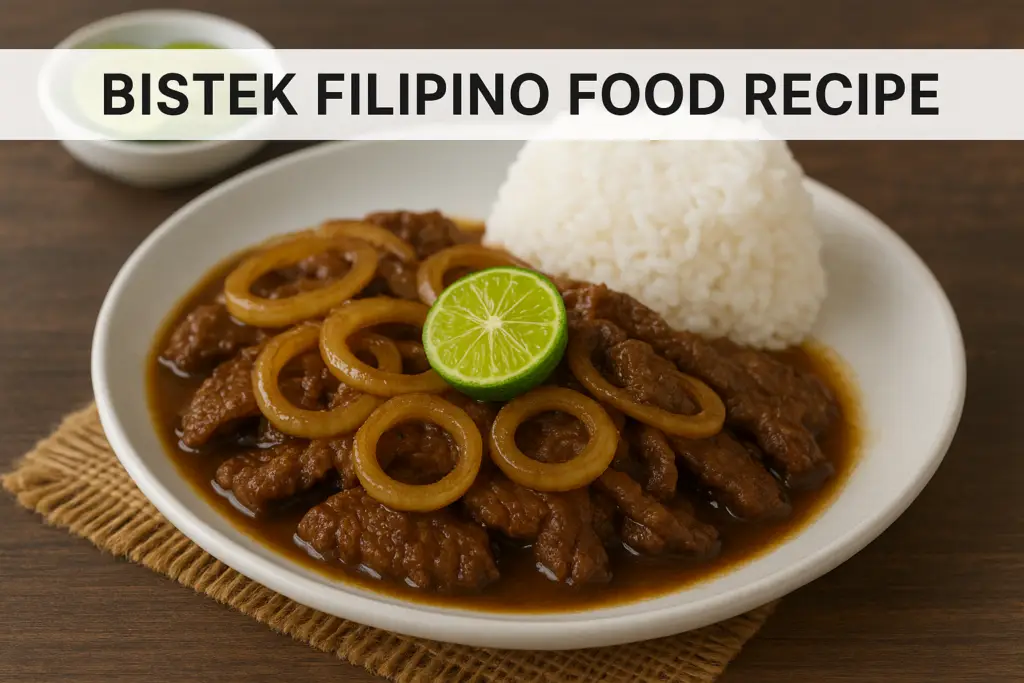
The Bistek Filipino Food Recipe is a traditional dish made with thinly sliced beef marinated in soy sauce and citrus juice, then cooked with onions until tender and flavorful. At its core, it’s simple—but the experience it delivers is anything but basic.
What makes bistek stand out is balance. You get the saltiness from soy sauce, brightness from calamansi or lemon, and natural sweetness from onions. Together, they create a dish that feels rich without being heavy.
I think the real reason it’s so popular comes down to accessibility. You don’t need rare ingredients or complicated tools. Everything about it feels doable, even for beginners. And yet, the result tastes like something much more advanced.
It’s also deeply emotional food. For many, it’s tied to family dinners, celebrations, or everyday comfort. That connection is what keeps it alive—not just as a recipe, but as a tradition.
The History and Cultural Roots of Bistek in Filipino Cuisine
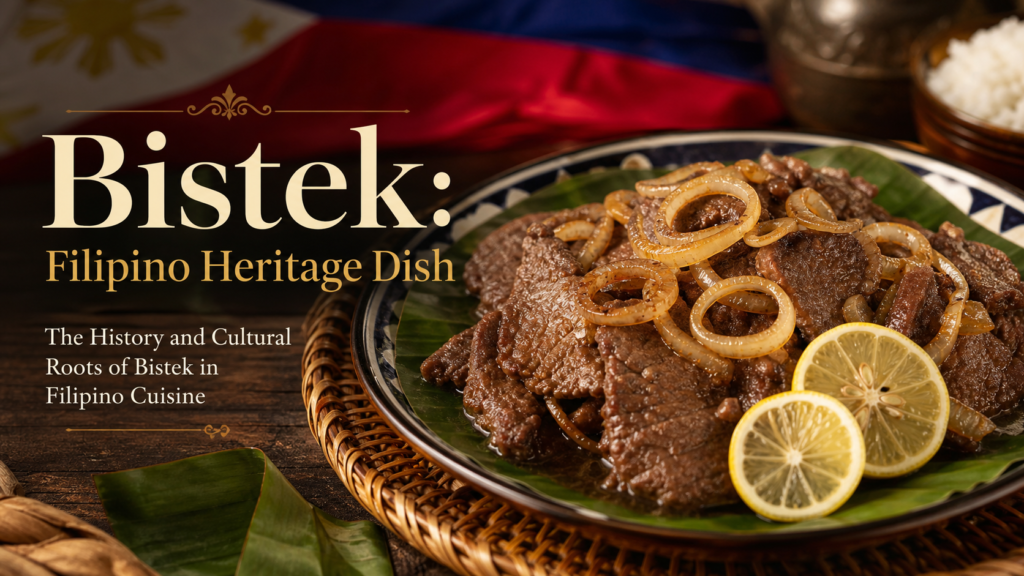
Bistek didn’t appear out of nowhere. It has roots in Spanish influence, where the concept of “bistec” or beef steak was introduced during colonial times. But Filipinos didn’t just copy it—they transformed it.
Instead of butter-heavy sauces or wine reductions, local ingredients took center stage. Soy sauce replaced salt-heavy seasoning. Calamansi added a citrus punch that made the dish brighter and more vibrant.
Over time, bistek became something uniquely Filipino. It adapted to local tastes, ingredients, and cooking styles. Each household began adding its own twist—some sweeter, some tangier, some richer.
That flexibility is what makes the dish so powerful. It’s not rigid. It evolves with the cook. And that’s why it continues to thrive even today.
Key Ingredients That Define an Authentic Bistek Filipino Food Recipe
The beauty of this dish lies in its simplicity. You only need a handful of ingredients, but each one matters.
Core Ingredients:
- Thinly sliced beef (sirloin, round, or tenderloin)
- Soy sauce
- Calamansi (or lemon as substitute)
- Onions
- Garlic
- Black pepper
Each ingredient contributes something essential. The beef provides richness, soy sauce adds depth, calamansi brings brightness, and onions balance everything with sweetness.
What’s interesting is how these simple elements create something layered. You don’t need complexity when you understand balance.
Some variations include sugar for mild sweetness or bay leaves for added aroma. But at its core, the dish remains minimal—and that’s exactly why it works.
How to Choose the Best Beef Cuts for Bistek
Not all beef cuts are equal when it comes to bistek. The goal is tenderness and flavor absorption.
Best Cuts:
- Sirloin – balanced and widely available
- Tenderloin – soft and premium texture
- Round cuts – affordable and lean
Thin slicing is just as important as the cut itself. Cutting against the grain ensures the meat stays tender after cooking.
Interestingly, even tougher cuts can work if handled properly. Longer marination and gentle simmering can break down fibers and improve texture.
So while premium cuts help, technique matters just as much.
Step-by-Step Guide to Cooking Bistek Filipino Food Recipe
Cooking bistek is simple, but each step plays a role in building flavor.
Step 1: Marinate the Beef
Mix soy sauce, calamansi juice, and pepper. Let the beef soak for at least 30 minutes—or overnight for deeper flavor.
Step 2: Sear the Beef
Cook quickly over high heat until lightly browned. Remove and set aside.
Step 3: Cook the Onions
Use the same pan to sauté onions until soft but slightly crisp.
Step 4: Simmer Everything Together
Return the beef and pour in the marinade. Let it simmer gently until tender.
Step 5: Adjust and Serve
Taste, adjust seasoning, and serve hot with rice.
The magic happens during the simmer. That’s when flavors combine and deepen.
How to Balance Soy Sauce and Calamansi Perfectly
Balance is everything in bistek. Too salty or too sour, and the dish loses its harmony.
A common starting ratio is:
2 parts soy sauce : 1 part calamansi juice
But honestly, there’s no strict rule. Some prefer it tangier, others richer.
The best approach is tasting as you go. Small adjustments can transform the dish completely.
If calamansi isn’t available, lemon or lime works fine. The flavor changes slightly, but the balance remains.
Cooking Techniques for Tender and Juicy Bistek
Tenderness comes down to a few key techniques:
Quick Searing
Locks in flavor without drying the meat.
Proper Marination
Breaks down fibers and enhances taste.
Gentle Simmering
Allows flavors to develop without overcooking.
One mistake I used to make was cooking the beef too long. It made everything tough. Once I learned to control heat and timing, the difference was immediate.
Patience matters more than anything.
What Side Dishes Pair Well with Bistek Filipino Food Recipe
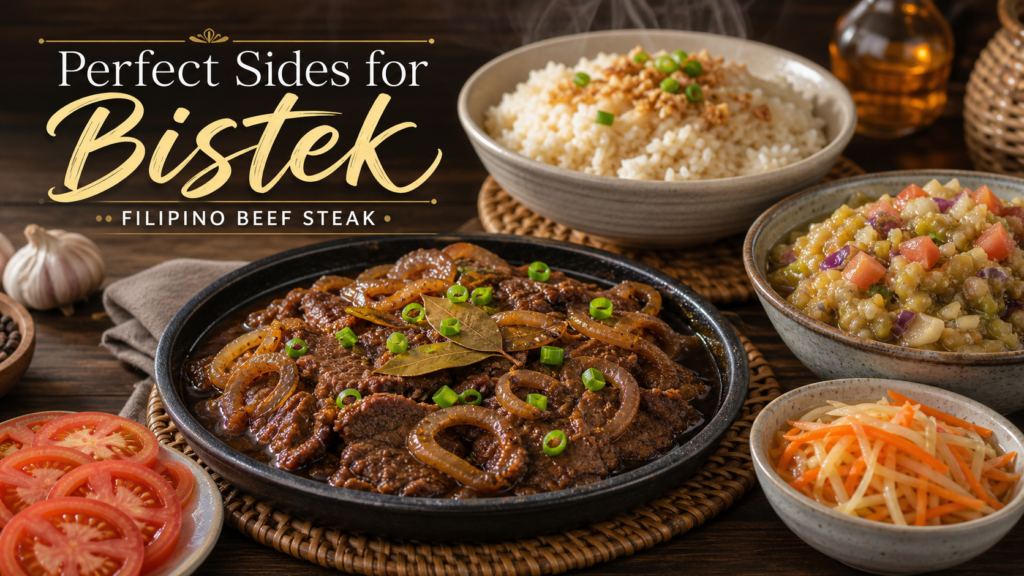
Bistek is rarely served alone. The right sides elevate the experience.
Best Pairings:
- Steamed white rice
- Garlic fried rice
- Pickled papaya (atchara)
- Sautéed vegetables
Rice absorbs the sauce beautifully, making every bite richer. Pickled sides add contrast, cutting through the savory depth.
A well-balanced plate turns bistek from a dish into a full experience.
Modern Variations and Creative Twists on Bistek
Like any classic, bistek has evolved.
Popular Variations:
- Pork bistek
- Chicken bistek
- Tofu-based vegan bistek
- Bistek with mushrooms or bell peppers
These versions make the dish more accessible while keeping its core identity intact.
I find it interesting how flexible this recipe is. You can experiment without losing its essence. That’s rare.
Common Mistakes to Avoid When Cooking Bistek
Even simple dishes can go wrong.
Avoid These:
- Overcooking the beef
- Skipping marination
- Using too much soy sauce
- Rushing the simmering process
Each mistake affects texture or flavor. Paying attention to small details makes a big difference.
Why Bistek Filipino Food Recipe Is Perfect for Modern Home Cooking
In today’s fast-paced world, recipes need to be practical. Bistek fits perfectly.
It’s quick, affordable, and adaptable. You can cook it for a weeknight dinner or a special gathering.
It also teaches valuable cooking skills—balancing flavors, controlling heat, and respecting ingredients.
That’s what makes it more than just a recipe. It’s a learning experience.
Frequently Asked Questions (FAQ)
What is bistek in Filipino food?
Bistek is a Filipino beef dish made with soy sauce, citrus, and onions, known for its savory and tangy flavor.
Can I use lemon instead of calamansi?
Yes, lemon or lime works as a substitute, though the flavor will be slightly different.
What beef cut is best for bistek?
Sirloin, tenderloin, and round cuts are ideal due to their tenderness and flavor.
How long should I marinate the beef?
At least 30 minutes, but marinating overnight gives the best results for flavor and tenderness.
Can I make a vegetarian version?
Yes, tofu or mushrooms can replace beef while keeping a similar savory and tangy flavor profile.
How long does bistek last in the fridge?
Bistek can last up to 3 days in the refrigerator when stored properly in an airtight container.
Conclusion
The Bistek Filipino Food Recipe proves that great food doesn’t need to be complicated. With just a few ingredients and the right technique, you can create something deeply satisfying and meaningful.
It’s a dish rooted in history but flexible enough for modern kitchens. Whether you stick to tradition or experiment with variations, the essence remains the same—balance, simplicity, and flavor.
If you’ve never tried making bistek before, now is the perfect time. Start simple, trust your taste, and make it your own.
And when you do, don’t just cook it—experience it.