

29, Nov 2025
Can You Freeze Donuts
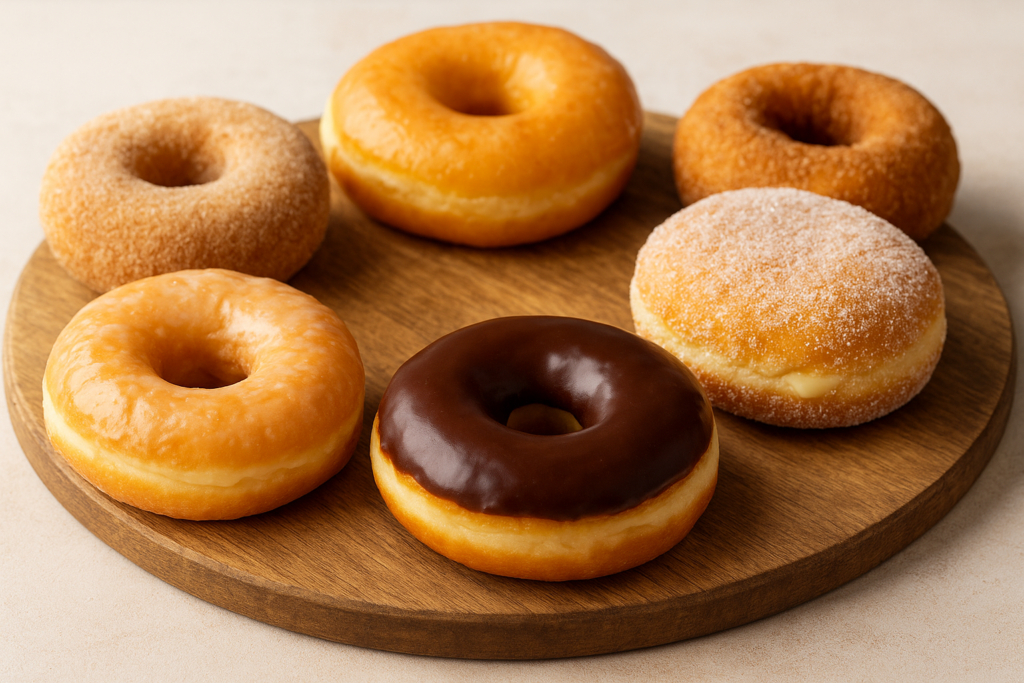
Can You Freeze Donuts and Keep Them Fresh? What You Need to Know
Leftover donuts are a happy problem—but they come with an important question: can you freeze donuts and still enjoy them later without ruining the taste or texture?
After many real-world tests (and a few soggy mistakes), I can confidently say yes—you can freeze donuts successfully, if you do it the right way.
This guide explains which donuts freeze best, how to store them properly, how long they last, and the best way to thaw them so they taste as close to fresh as possible.
Whether you’re saving bakery leftovers, planning ahead, or reducing food waste, this article gives you practical, no-nonsense answers.
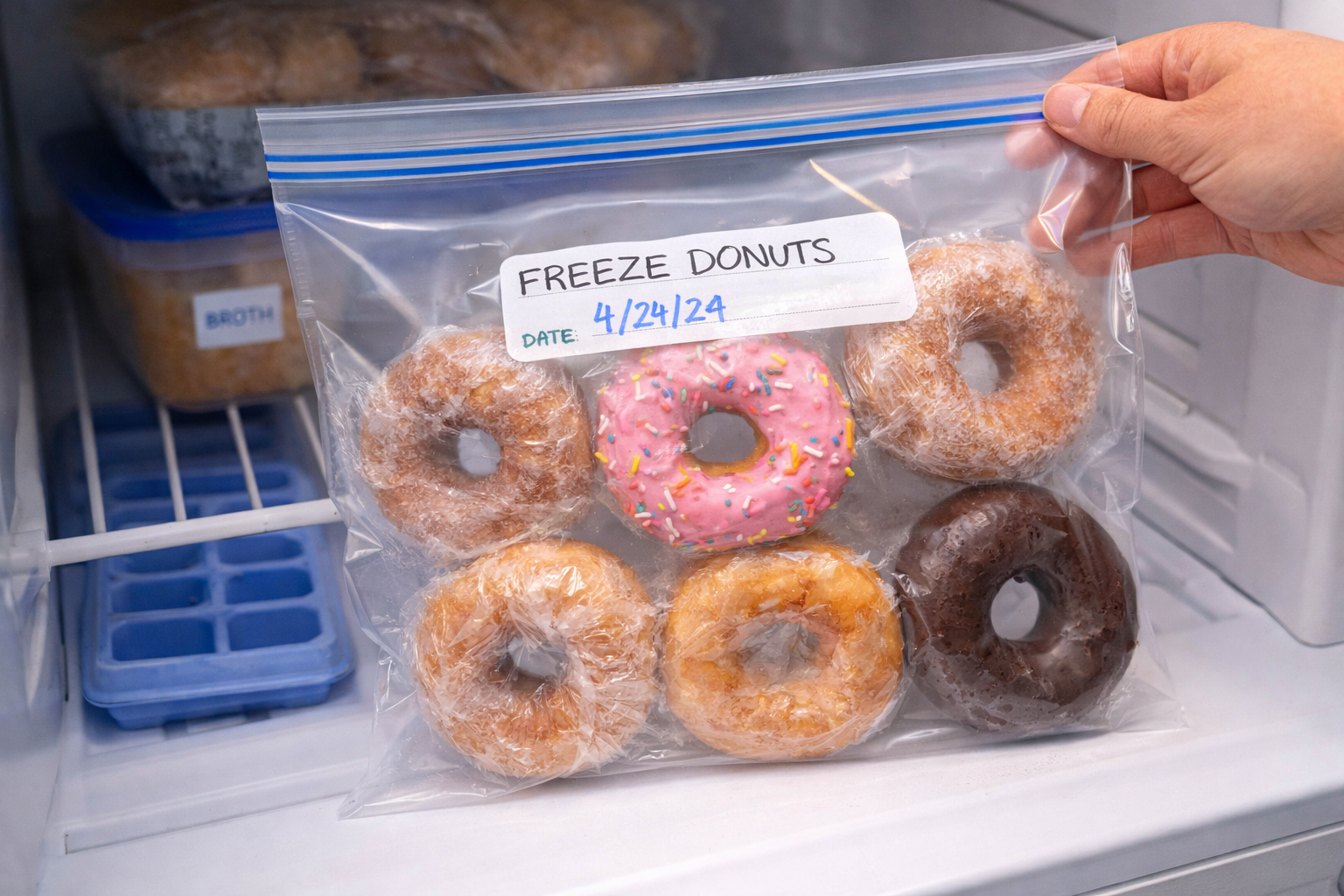
Can You Freeze Donuts? (Short Answer)
Yes, donuts can be frozen, and when done correctly, they retain most of their flavor and texture.
Freezing works best for plain, cake, and yeast donuts, while filled or heavily glazed donuts
require extra care.
Freezing is essentially a way to pause freshness—not preserve perfection—but with proper handling,
you’ll get excellent results.
Why Freezing Donuts Makes Sense
Freezing donuts helps you:
- Reduce food waste
- Save money on bulk bakery purchases
- Enjoy donuts on demand without overindulging
- Prepare for events or gifting ahead of time
Instead of rushing to finish a dozen donuts in one day, freezing lets you enjoy them gradually—one good donut at a time.
Does Freezing Affect Donut Texture and Flavor?
Freezing mainly affects texture, not flavor.
Flavor: Sugar and fat hold up well in cold temperatures, so sweetness and overall taste remain intact.
Texture: Ice crystals can slightly alter softness, especially in airy yeast donuts or delicate glazes.
With correct wrapping and gentle thawing, frozen donuts retain about 90% of their original quality,
which is more than enough to satisfy a craving.
Which Types of Donuts Freeze Best?
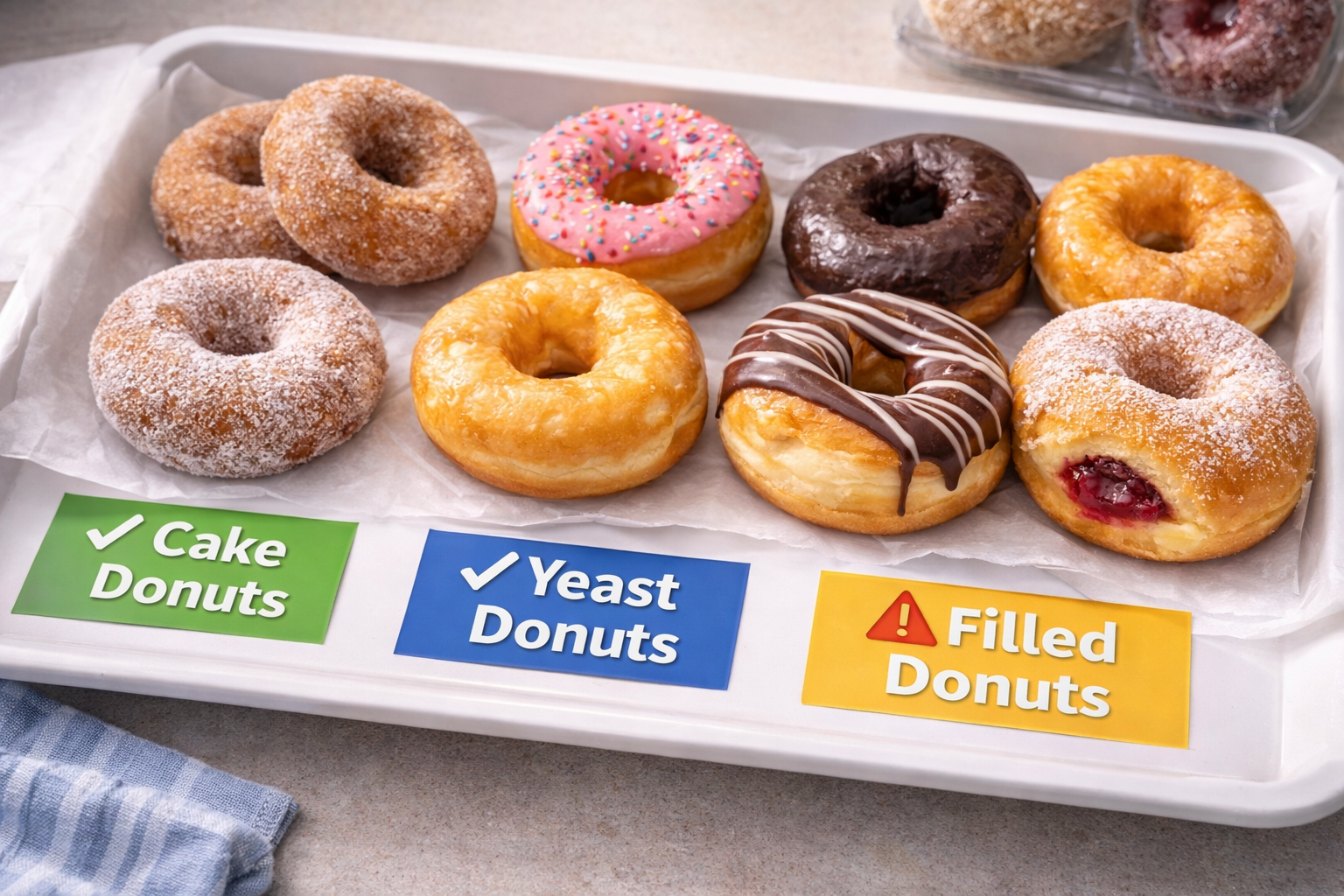
✅ Cake Donuts (Best Choice)
Dense and sturdy, cake donuts freeze extremely well. They maintain structure, flavor,
and moisture better than other types.
✅ Yeast Donuts
Yeast donuts freeze well when wrapped individually. Because they’re lighter and airier,
they need better protection from air exposure.
⚠️ Filled Donuts
Filled donuts are the most delicate. Thick fillings like jam freeze better than whipped cream
or custard, which may separate after thawing.
Pro tip: Freeze filled donuts only if necessary and use them within a shorter timeframe.
How to Freeze Donuts Correctly (Step-by-Step)
Step 1: Cool Completely
Never freeze warm donuts. Trapped steam turns into ice crystals and ruins texture.
Step 2: Wrap Individually
Wrap each donut tightly in plastic wrap or parchment paper.
This prevents freezer burn and keeps glazes intact.
Step 3: Seal Airtight
Place wrapped donuts in a freezer bag or airtight container.
Remove as much air as possible.
Step 4: Label and Store Flat
Label with the date and type of donut.
Store in a stable, flat area of the freezer to avoid crushing.
How Long Can Donuts Stay Frozen?
- Cake donuts: Up to 3 months (best quality)
- Plain yeast donuts: 2–3 months
- Glazed donuts: 1–2 months
- Filled donuts: Best within 4–6 weeks
Frozen donuts remain safe longer, but quality declines after these timeframes.
How to Thaw Donuts for Best Results
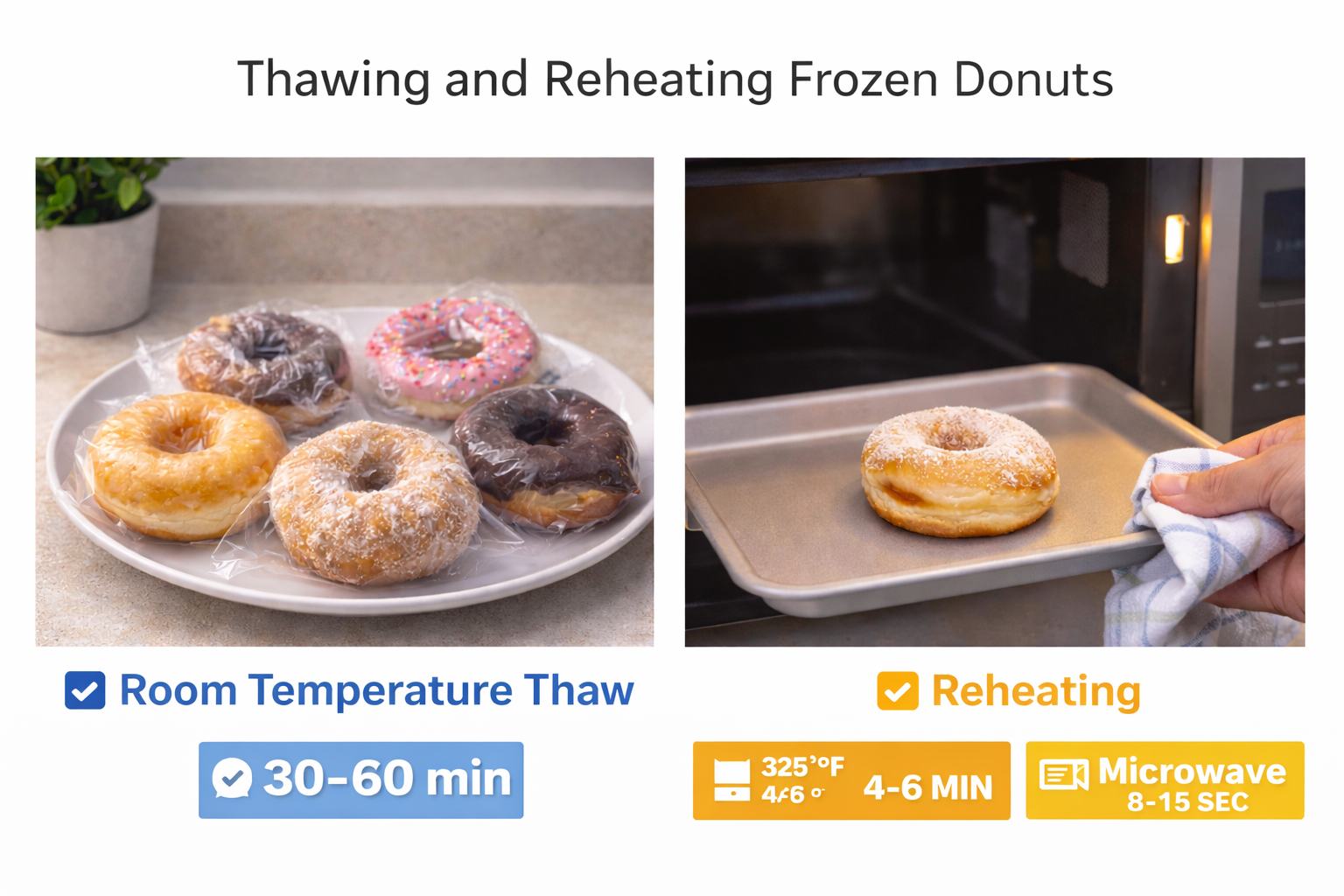
Best Method (Recommended):
- Leave donuts wrapped
- Thaw at room temperature for 30–60 minutes
This prevents condensation and sogginess.
To Refresh Texture:
- Oven: 325°F (160°C) for 4–6 minutes
- Microwave: 8–15 seconds on medium power
Avoid overheating, especially for filled donuts.
Common Freezing Mistakes (and How to Avoid Them)
❌ Freezing warm donuts
❌ Skipping individual wrapping
❌ Storing different donut types together
❌ Freezing delicate filled donuts too long
✔ Always cool fully
✔ Wrap individually
✔ Label clearly
✔ Rotate frozen stock regularly
Alternatives to Freezing Donuts
Room Temperature
Best for same-day consumption only (up to 24 hours).
Refrigeration
Useful for filled donuts but dries dough quickly.
Eat within 2–3 days and reheat gently.
Freezing remains the best long-term option.
Tips for Reheating Frozen Donuts
- Use low oven heat for best texture
- Microwave briefly for quick softness
- Toast cut sides lightly for added crispness
A light reheat can dramatically improve mouthfeel.
Frequently Asked Questions
Can glazed donuts be frozen?
Yes. Wrap individually. Expect slight glaze dulling after thawing.
Are store-bought donuts safe to freeze?
Yes. Most bakery donuts freeze well, especially plain or cake varieties.
Can I freeze donuts without wrapping them?
No. Unwrapped donuts develop freezer burn and absorb odors.
Do chocolate toppings freeze well?
Solid chocolate holds up well. Candy toppings may soften slightly.
How soon should donuts be frozen?
Within 24 hours of purchase or baking for best results.
Conclusion: Is Freezing Donuts Worth It?
Absolutely.
When frozen correctly, donuts remain flavorful, satisfying, and convenient.
Cake donuts and plain yeast donuts are the most freezer-friendly,
while filled donuts require extra care and shorter storage times.
Wrap well, freeze promptly, thaw gently—and you’ll always have a great donut ready when the craving hits.
- 0
- By Pankajatray
- November 29, 2025 17:49 PM