

12, Nov 2025
Green Chile Stew New Mexico : Why Locals Say It’s the Comfort Soup You Can’t Miss
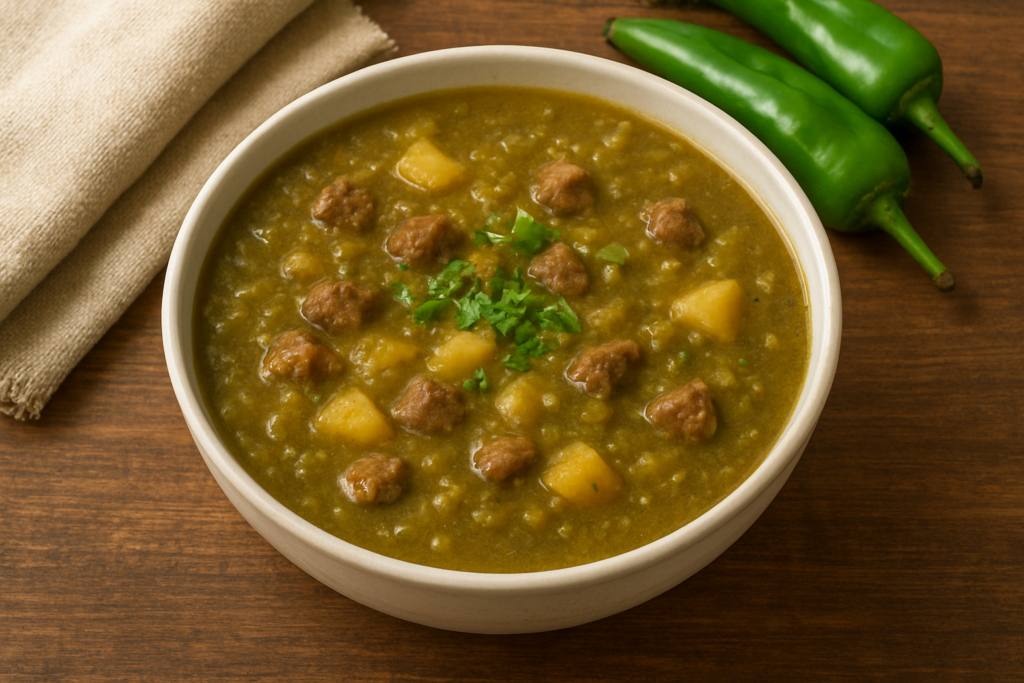
Is Green Chile Stew From New Mexico? Origins, History, Culture & Authentic Flavour Explained
Green chile stew is more than a comforting bowl of food — it is a cultural symbol deeply tied to New Mexico’s identity, history, and way of life. For locals, it represents tradition, family, and regional pride. For visitors, it is often the first true taste of New Mexican cuisine. If you have ever asked, “Is green chile stew from New Mexico?”, the short answer is yes. However, the full story behind this iconic dish stretches across centuries of agriculture, Indigenous foodways, Spanish colonial influence, and generational cooking traditions.
Unlike many regional dishes that have been adapted or commercialised beyond recognition, green chile stew has remained remarkably faithful to its roots. Its ingredients, preparation methods, and cultural meaning are still strongly connected to the land and people of New Mexico. This article explores the origins, history, ingredients, cultural importance, and modern relevance of green chile stew — offering a complete, authoritative guide designed for food lovers, cultural researchers, and curious readers alike.
Quick Answer: Is Green Chile Stew From New Mexico?
Yes. Green chile stew is widely recognised as a traditional New Mexican dish. It is made using locally grown green chile peppers — most notably Hatch green chile — combined with pork, potatoes, onions, garlic, and minimal seasonings. The dish has been prepared in New Mexico homes for generations and remains one of the most recognisable staples of the state’s cuisine.
While variations may exist outside the region, authentic green chile stew is inseparable from New Mexico’s geography, agriculture, and cultural history.
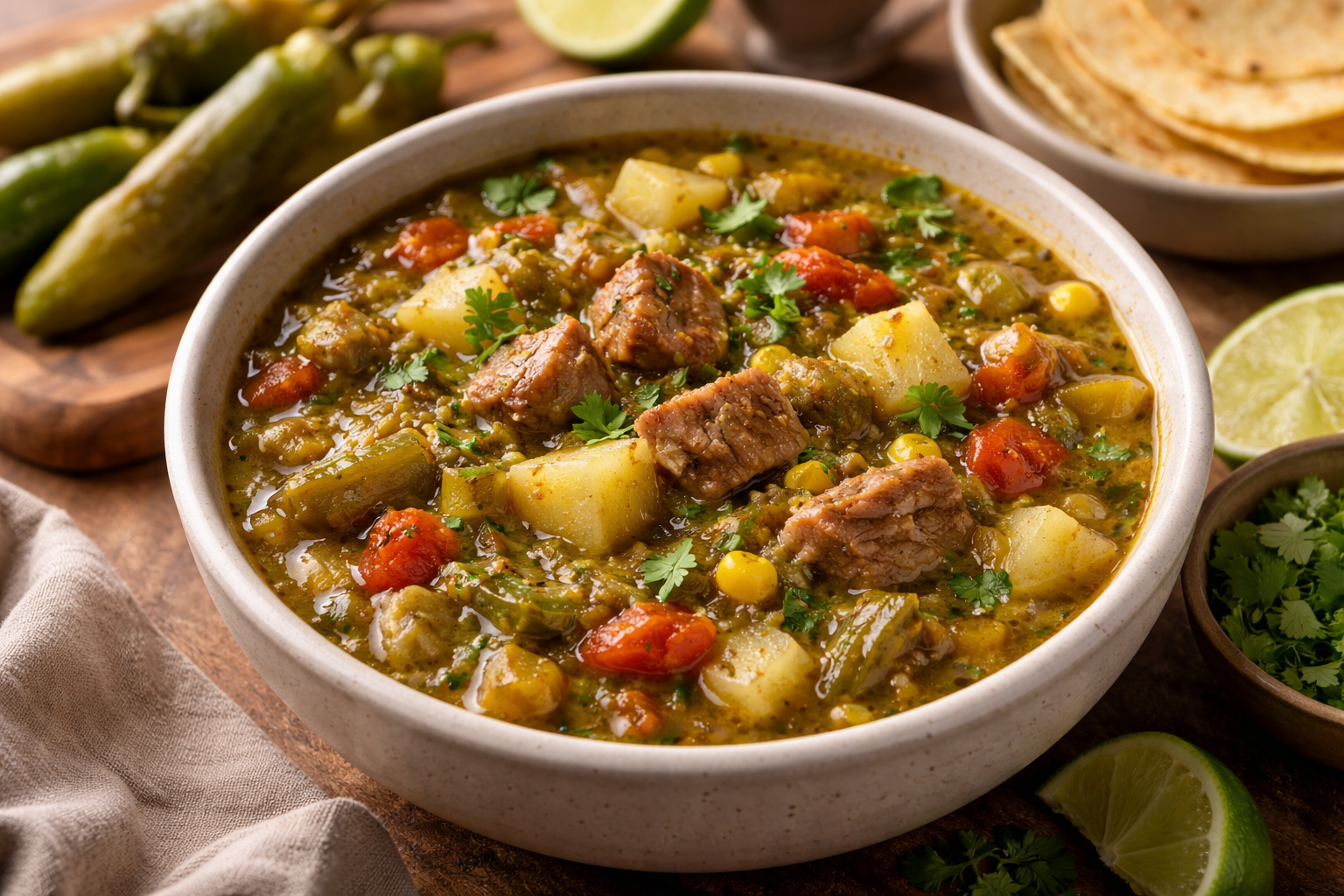
What Is Green Chile Stew?
Green chile stew is a slow-simmered New Mexican stew that centres on roasted green chile peppers rather than heavy spice blends or thick sauces. Unlike many American stews, it is not designed to be dense or heavily seasoned. Instead, it prioritises clarity of flavour, allowing the green chile itself to shine.
A traditional green chile stew typically includes the following ingredients:
- Fresh green chile peppers, roasted and peeled
- Pork, usually pork shoulder or loin
- Potatoes
- Onion and garlic
- Water or light broth
- Minimal spices such as cumin and Mexican oregano
The result is a stew that is hearty but not heavy, spicy but not overpowering, and deeply satisfying without being overly rich. It is this balance that has made green chile stew a defining example of New Mexican comfort food.
The Deep Connection Between Green Chile and New Mexico
To fully understand why green chile stew belongs to New Mexico, it is essential to understand the cultural importance of green chile itself. In New Mexico, green chile is not merely an ingredient — it is a way of life.
Green Chile as New Mexico’s Official State Vegetable
New Mexico is the only U.S. state that has officially designated green chile as its state vegetable. This designation reflects more than agricultural pride; it represents the central role green chile plays in daily meals, local economies, and cultural identity.
During late summer and early autumn, the smell of roasting green chile fills towns and cities across the state. Roadside stands, grocery stores, and community markets roast fresh chile in rotating drums, marking a seasonal ritual that locals eagerly anticipate each year.
Hatch Green Chile: The Heart of Authentic Green Chile Stew
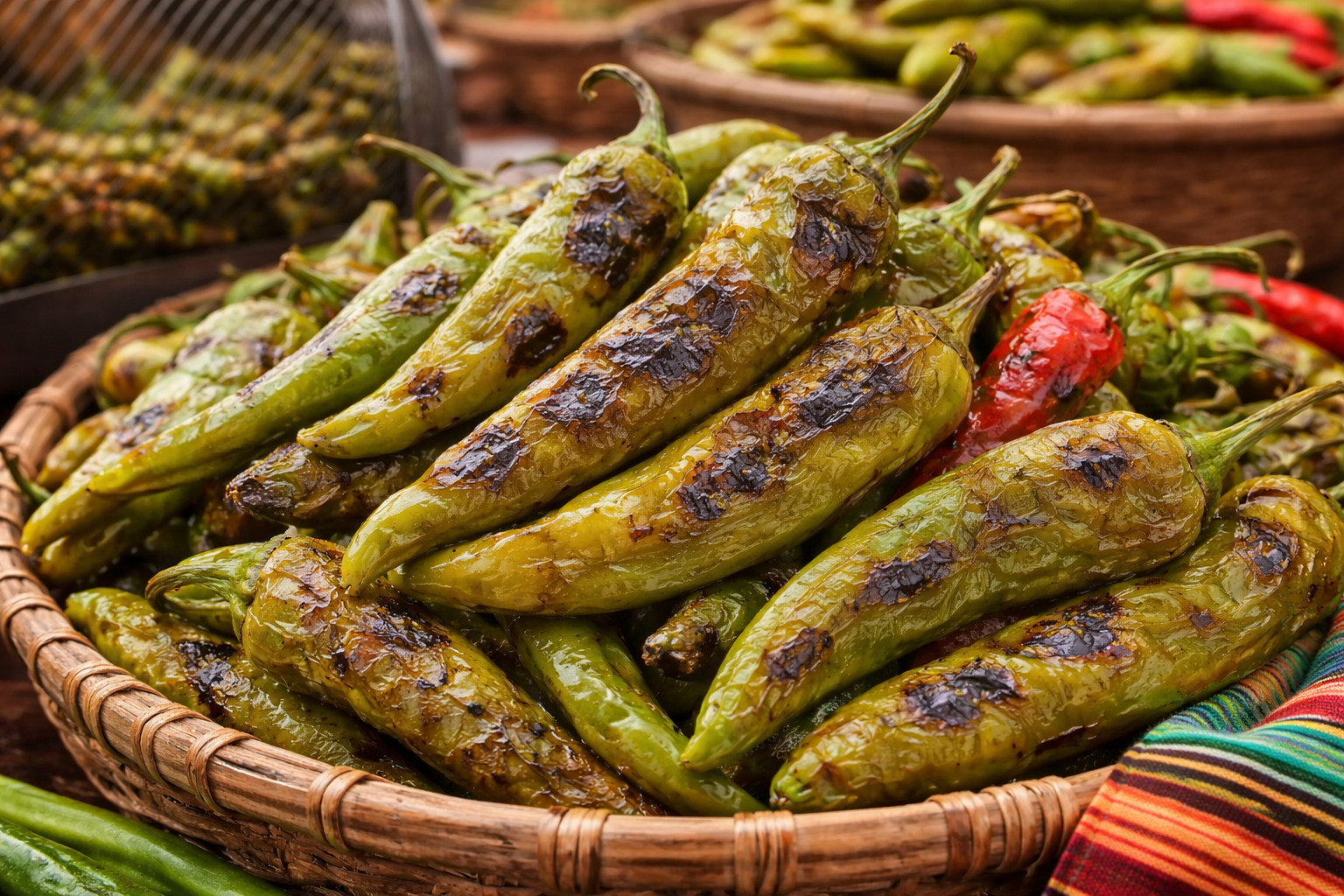
When discussing authentic green chile stew, most New Mexicans refer specifically to Hatch green chile. Grown in the Hatch Valley of southern New Mexico, these chiles are prized for their distinctive flavour and heat variability.
The unique characteristics of Hatch green chile come from a combination of:
- Mineral-rich soil
- High desert climate
- Intense sunlight and temperature variation
- Traditional farming practices
These factors create chiles that are earthy, slightly sweet, smoky, and capable of ranging from mild to very hot. This complexity makes them ideal for slow-cooked dishes such as green chile stew.
Historical Origins of Green Chile Stew
Indigenous Roots of Chile-Based Cooking
Long before European contact, Indigenous communities in the Southwest were cultivating chile peppers and incorporating them into daily cooking. Archaeological evidence shows that chile peppers were used in the region for centuries, valued for both flavour and preservation.
These early food traditions established a foundation for chile-based dishes that would later evolve through cultural exchange and adaptation.
Spanish Colonial Influence
Spanish settlers arrived in what is now New Mexico in the late 1500s, bringing with them ingredients and techniques that would significantly shape local cuisine. These included pork, onions, garlic, and slow-simmering cooking methods.
Rather than replacing Indigenous foodways, these new elements blended naturally with existing chile-focused dishes. Over time, this fusion gave rise to early versions of green chile-based stews that closely resemble those prepared today.
Evolution Into a Regional Staple
As generations passed, green chile stew became deeply embedded in New Mexican households. Recipes were passed down orally, often adjusted slightly based on availability and family preference, but always rooted in the same core ingredients and techniques.
This long, continuous presence is a key reason green chile stew is considered native to New Mexico rather than a borrowed or modern creation.
Why Green Chile Stew Is Considered a New Mexican Dish
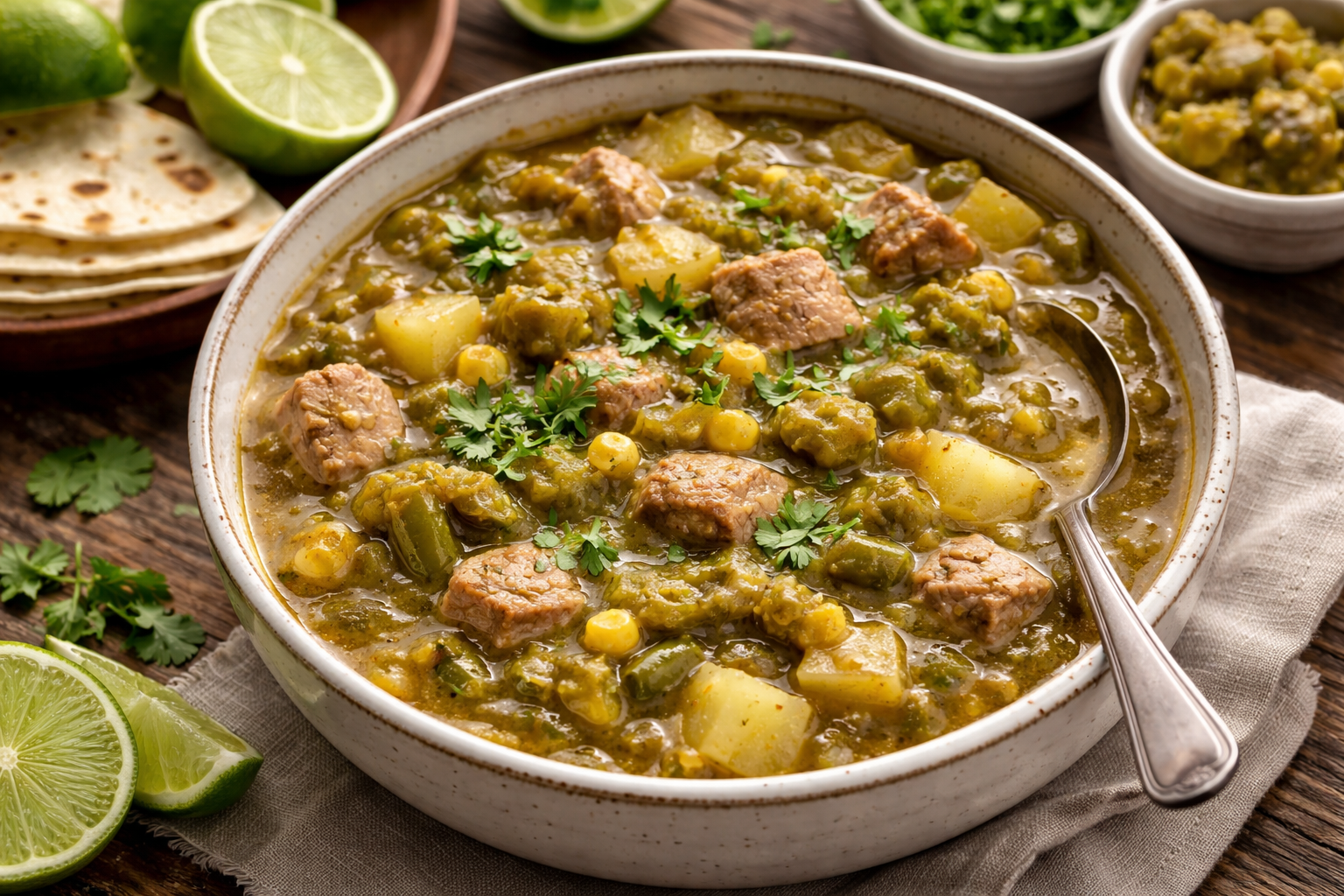
Several defining factors firmly establish green chile stew as a New Mexico specialty:
- Regional Ingredients: Authentic versions rely on New Mexico-grown green chile, particularly Hatch varieties.
- Cultural Continuity: The dish has been preserved through family traditions and community cooking.
- Statewide Presence: It appears in homes, festivals, and restaurants throughout New Mexico.
- Distinct Culinary Identity: It differs clearly from Tex-Mex and broader Southwestern cuisine.
Green Chile Stew vs Chili: Understanding the Difference
One of the most common misconceptions is confusing green chile stew with chili. While the names sound similar, the two dishes are fundamentally different.
| Green Chile Stew | Chili |
|---|---|
| New Mexican origin | Texas / Mexican-American roots |
| Green chile-based | Dried red chile or chili powder |
| Chunky stew with pork | Often made with ground meat |
| Light broth | Thick, heavily spiced base |
| Minimal seasoning | Complex spice blends |
Green chile stew is not a variation of chili. It is a distinct dish with its own cultural roots and preparation philosophy.
Green Chile vs Red Chile in New Mexico Cuisine
In New Mexico, one of the most commonly asked questions at restaurants is simply: “Red or green?” This refers to the type of chile sauce or preparation used.
Green Chile
- Made from unripe chile pods
- Fresh, grassy, and smoky flavour
- Common in stews, sauces, and toppings
Red Chile
- Made from dried, mature chile pods
- Deeper, earthier flavour
- Often used in enchilada sauces
Green chile stew specifically celebrates the brightness and freshness of green chile, distinguishing it from red chile-based dishes.
Traditional Ingredients in Authentic Green Chile Stew
While recipes vary slightly by household, traditional green chile stew relies on simplicity and quality ingredients.
- Hatch green chile peppers, roasted and peeled
- Pork shoulder or pork loin
- Potatoes
- Onion
- Garlic
- Salt
Optional but traditional additions may include cumin, Mexican oregano, or a small amount of tomato. What is notably absent are heavy thickeners, cream, or complex spice blends.
When and How Green Chile Stew Is Traditionally Eaten
Green chile stew is most commonly enjoyed during cooler months, particularly after the green chile harvest and roasting season. It is frequently served at family gatherings, holidays, festivals, and community events.
The dish is considered communal in nature — meant to be shared, reheated, and enjoyed over multiple meals.
Nutritional Value of Green Chile Stew
Beyond its cultural significance, green chile stew is also nutritionally balanced.
- High in vitamin C from green chile
- Protein-rich due to pork
- Naturally gluten-free
- Low in processed ingredients
When prepared traditionally, it is a wholesome comfort food that aligns well with modern dietary preferences.
Frequently Asked Questions About Green Chile Stew
Is green chile stew originally from New Mexico?
Yes. Green chile stew originated in New Mexico and is deeply rooted in the state’s Indigenous food traditions and Spanish colonial history. It has been prepared in New Mexican homes for generations using locally grown green chile peppers, particularly Hatch green chile.
What makes New Mexican green chile stew different from other stews?
New Mexican green chile stew focuses on roasted green chile as the primary flavour rather than heavy spices or thick sauces. It uses simple ingredients, a light broth, and minimal seasoning to highlight the natural taste of the chile, setting it apart from other American or Southwestern stews.
Is green chile stew the same as green chili?
No. Green chile stew is not the same as green chili. Green chile stew is a traditional New Mexican dish made with chunks of pork, potatoes, and green chile in a light broth. Green chili, often found outside New Mexico, may include different ingredients, thicker textures, or ground meat.
Why is Hatch green chile important for authentic green chile stew?
Hatch green chile is grown in the Hatch Valley of New Mexico and is prized for its unique flavour created by local soil and climate conditions. Authentic green chile stew traditionally uses Hatch green chile because it provides the ideal balance of heat, sweetness, and smokiness.
Is green chile stew always spicy?
Not always. The heat level of green chile stew depends on the type of green chile used. Hatch chiles range from mild to very hot, allowing cooks to adjust the spice level based on personal preference.
Can green chile stew be made without pork?
Traditionally, green chile stew is made with pork. However, modern adaptations include chicken, beef, or vegetarian versions. While these variations are popular, pork-based recipes remain the most traditional in New Mexico.
Is green chile stew healthy?
Yes. When prepared traditionally, green chile stew is high in protein, rich in vitamin C, naturally gluten-free, and low in processed ingredients. It can be a nutritious comfort food when eaten as part of a balanced diet.
Can green chile stew be frozen and reheated?
Yes. Green chile stew freezes very well and often tastes even better the next day as the flavours continue to develop. It can be stored in airtight containers and reheated gently on the stovetop.
When is green chile stew traditionally eaten in New Mexico?
Green chile stew is most commonly eaten during cooler months, especially after the green chile harvest and roasting season in late summer and autumn. It is also served at family gatherings, holidays, and community events.
Why is green chile so important in New Mexico cuisine?
Green chile is central to New Mexico’s agriculture, culture, and culinary identity. It is used daily in homes and restaurants and has become a symbol of regional pride, tradition, and local flavour.
Final Verdict: Is Green Chile Stew From New Mexico?
Absolutely. Green chile stew is undeniably a New Mexican dish shaped by Indigenous roots, Spanish influence, regional agriculture, and generations of family cooking.
It is not simply a recipe, but a reflection of New Mexico’s history, landscape, and people. For anyone seeking to understand New Mexican cuisine, green chile stew is not optional — it is essential.
- 0
- By Pankajatray
- November 12, 2025 19:55 PM