

29, Aug 2025
Latin American Food
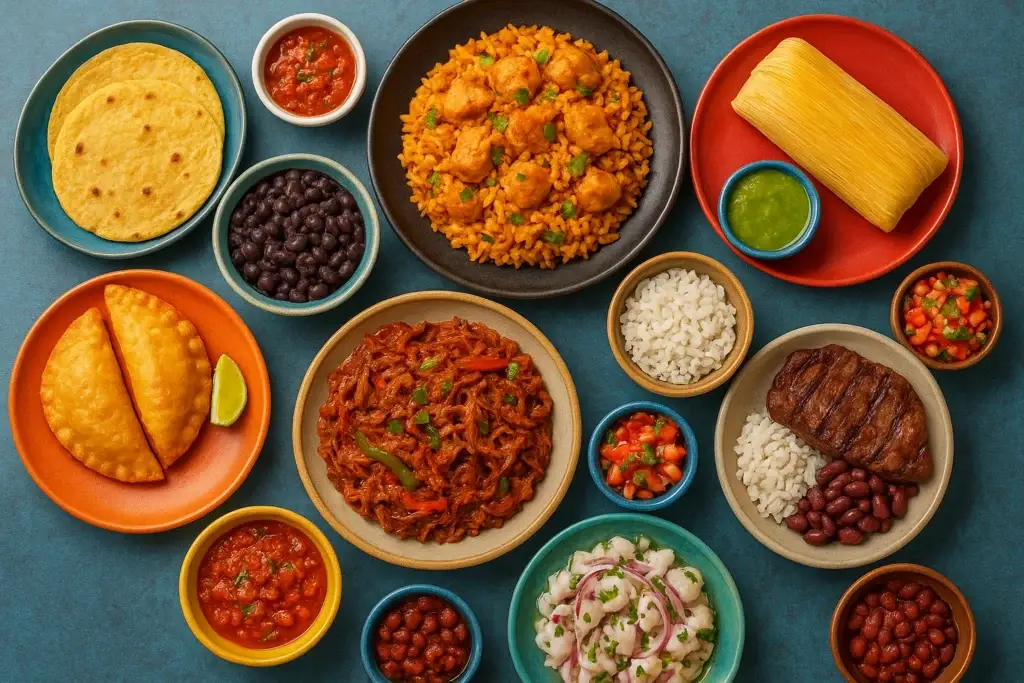
Latin American food you need to try now for bold flavors and unforgettable dishes
Latin American food has a way of sneaking into your senses and rewriting how you think about flavor. It isn’t just rice, beans, or tacos—it’s a living story carried from bustling street markets to grandmother’s kitchens. Every bite feels like a remix of cultures: Indigenous roots, African rhythms, and European traditions folded into one plate. I’ve realized that food here is never static. It keeps shifting, evolving, reinventing itself. You think you’ve tasted it all, and then you stumble into something like Peruvian ceviche or a smoky Argentine asado, and suddenly you’re starting from scratch. That’s the beauty of latin american food—it keeps moving, and you can’t help but want to move with it.
The history and origins of latin american food
Latin American food traces its beginnings back thousands of years, rooted in the traditions of Indigenous civilizations like the Aztec, Maya, and Inca. These cultures developed diets built on staple crops such as maize, beans, potatoes, and chili peppers. With the arrival of Europeans in the 15th and 16th centuries, new ingredients like wheat, rice, and livestock entered the mix, forever transforming local diets. African influences also arrived through the slave trade, introducing methods of frying and ingredients such as okra and plantains, which blended seamlessly into the culinary landscape.
This mix created a culinary fusion that is unlike anything else in the world. Dishes we know today—tamales, empanadas, feijoada—are testaments to the cultural blending that occurred across the continent. Each wave of migration left its flavor on the plate, making Latin American cuisine a living history of survival, adaptation, and creativity.
Today, the cuisine reflects a mosaic of influences, with each country and region expressing its own identity through food. This means there is no singular definition of Latin American food—it’s a spectrum of traditions shaped by geography, climate, and history.
Core ingredients that define latin american food
The backbone of Latin American cooking comes from ingredients that have stood the test of time. Corn remains central, appearing in tortillas, arepas, tamales, and pupusas. Beans, whether black, red, or pinto, provide sustenance and pair perfectly with rice, another essential pantry staple. Potatoes dominate the Andean diet, with Peru alone cultivating thousands of varieties. Plantains, yucca, and cassava bring earthy richness to stews and fried treats.
Seasonings and spices add the heart of the flavor. Cumin, garlic, cilantro, annatto, and chili peppers are used widely. Lime and tropical fruits like mango, guava, and passionfruit brighten dishes with acidity and sweetness. These ingredients combine to create a cuisine that is both hearty and vibrant, always balancing depth with freshness.
Because the land itself is so diverse, ingredients vary dramatically by region. Coastal areas lean heavily on seafood, while mountainous regions turn to grains and tubers. The Amazon contributes exotic fruits, while Caribbean nations embrace sugarcane and rum. Each ingredient tells a story of geography meeting culture.
Traditional cooking techniques across Latin America
Beyond ingredients, the way food is cooked shapes its identity. Steaming, grilling, and slow cooking are common techniques, each producing distinct flavors and textures. Tamales, for example, are steamed in corn husks or banana leaves, preserving moisture and infusing aroma. Meats are often slow-cooked, as seen in Mexican barbacoa or Cuban ropa vieja, producing tender, flavorful results.
Grilling also plays a central role, especially in countries like Argentina, Uruguay, and Brazil, where open-fire asados and churrascos are cultural rituals. These aren’t just meals—they’re communal experiences. Frying, another method introduced through African influence, gave rise to dishes like empanadas, tostones, and croquettes that are now staples across the region.
Modern Latin American kitchens are adapting these traditional methods, blending them with contemporary techniques like sous vide or air frying, but the roots remain firmly planted in heritage and shared traditions.
Popular latin american street foods
Street food is the heartbeat of Latin America, offering a window into daily life. In Mexico, tacos al pastor line the streets, with sizzling pork shaved fresh from vertical spits. Pupusas in El Salvador, stuffed with cheese, beans, or meat, are griddled to perfection and served with tangy curtido slaw. Arepas in Colombia and Venezuela serve as versatile corn pockets filled with meats, cheeses, or avocado.
In Brazil, coxinhas—crispy dough filled with shredded chicken—are beloved snacks, while in Peru, anticuchos (skewered grilled beef heart) are both affordable and flavorful. These dishes show how creativity thrives in simplicity, using inexpensive ingredients to create bold and unforgettable flavors.
Street food thrives because it is accessible, fast, and deeply tied to community. Sharing a taco on a busy corner or grabbing empanadas from a roadside vendor captures the essence of Latin American food culture: food as connection.
Regional differences in Latin American food
Latin America is vast, and the food reflects this diversity. In Mexico and Central America, corn-based foods dominate, from tamales to tortillas. The Caribbean islands, influenced by African and European traditions, highlight plantains, jerk seasonings, and tropical fruits. South America offers a split personality: coastal Peru leans toward ceviche and seafood, while the Andes favor hearty stews of potatoes, quinoa, and corn.
Argentina and Uruguay stand out for their meat culture, where asados bring communities together around open grills. Brazil’s feijoada, a black bean and pork stew, is considered a national dish, while Chile offers seafood-rich cuisine thanks to its extensive coastline. Every country has its specialties, yet the shared thread is the blending of influences into something uniquely local.
Exploring regional differences shows that Latin American food is not one monolith but rather a patchwork quilt of flavors and histories, stitched together by shared roots and cultural exchange.
Famous latin american dishes everyone should know
Some dishes have transcended borders and become symbols of Latin American cuisine. Tacos, enchiladas, and tamales represent Mexico’s contribution, while ceviche has become a global ambassador for Peru. Empanadas, with their many variations, are enjoyed from Argentina to Colombia. Feijoada, with its rich, smoky flavor, showcases Brazil’s creativity, while ropa vieja highlights Cuba’s hearty approach to food.
Other must-try classics include Argentina’s chimichurri-dressed steaks, Venezuela’s arepas, and Salvadoran pupusas. These dishes not only satisfy hunger but also carry the essence of the cultures that created them. They are edible heritage, passed down through generations.
For anyone curious about Latin American food, starting with these famous dishes offers an accessible yet authentic entry point into a world of flavors.
The influence of indigenous, african, and european flavors
Latin American food is defined by its mix of cultural influences. Indigenous peoples gave the world corn, potatoes, and chocolate, staples that are now integral worldwide. African influences added depth through ingredients like okra, plantains, and techniques like frying. European colonization introduced wheat, rice, dairy, and livestock, reshaping entire diets.
In the Caribbean, African rhythms shaped not just music but also food. Spices and cooking methods created dishes that remain deeply rooted in African heritage. Meanwhile, European flavors like Spanish paella evolved into Latin dishes like arroz con pollo, while Italian immigrants influenced Argentina’s love for pasta and pizza. Asian immigration later introduced soy, ginger, and stir-frying, particularly in Peru’s famous chifa cuisine.
This blend of cultures didn’t erase identities; instead, it layered them, creating a cuisine that is as complex as the histories that formed it.
Modern twists on latin american classics
While tradition is central, modern chefs across Latin America are reinterpreting classics for contemporary palates. Ceviche now appears with mango or passionfruit. Tacos may be stuffed with fusion fillings like Korean barbecue. Vegan versions of empanadas and arepas are gaining popularity, expanding the cuisine’s reach to new audiences.
Restaurants in cities like Lima, Mexico City, and São Paulo are leading global culinary conversations, blending traditional recipes with avant-garde techniques. These modern twists keep Latin American food relevant, showing that heritage doesn’t have to mean static traditions.
Food television, social media, and global travel have only accelerated this evolution. Diners around the world are embracing Latin American flavors with fresh eyes, proving that these classics can reinvent themselves endlessly.
The global rise and popularity of latin american food
Latin American food is no longer confined to its home regions—it has become a global phenomenon. Tacos, burritos, and empanadas are available in nearly every major city worldwide. Peruvian cuisine, led by dishes like ceviche and lomo saltado, has gained recognition on international menus. Brazilian steakhouses have spread across continents, while Cuban and Caribbean flavors continue to influence fusion restaurants.
This rise reflects a growing curiosity about diverse cuisines and a recognition of the bold flavors Latin America offers. Food festivals, cooking shows, and online recipes have fueled this popularity, making it easier than ever to experience authentic dishes outside their native countries.
The global reach has also created opportunities for Latin American chefs to gain visibility, elevating their traditions while experimenting with global techniques. This expansion ensures that Latin American food is here to stay, shaping international culinary trends for years to come.
Tips for experiencing authentic latin american food at home
Bringing Latin American flavors into your kitchen doesn’t have to be complicated. Start with simple staples: cook beans with garlic and cumin, or grill meat with chimichurri sauce. Experiment with fresh salsas, guacamole, and fried plantains as easy side dishes. Stock your pantry with corn flour (masa harina), rice, beans, and spices like annatto and chili powder.
Cooking authentic dishes at home can also mean connecting with the stories behind them. Look for family-owned restaurants or cookbooks that preserve traditional recipes. Many dishes are simple yet deeply flavorful, relying more on technique and seasoning than expensive ingredients.
Exploring Latin American food at home can also become a cultural adventure. Hosting a taco night, trying your hand at ceviche, or making pupusas with friends allows you to taste history while creating new memories. The kitchen becomes a space where borders blur and flavors unite.
Conclusion
Latin American food is more than just a cuisine—it’s a story of culture, history, and community told through flavors. From ancient Indigenous roots to modern culinary innovations, each dish carries meaning and identity. Exploring this food means tasting the fusion of continents, climates, and cultures that define Latin America. If you’re curious about food that connects tradition with innovation, start with these dishes and let your palate travel. Share your thoughts in the comments, try a recipe, or pass this post to someone who loves discovering bold flavors. Latin American food is an experience best enjoyed together.
Frequently Asked Questions (FAQ)
What makes Latin American food unique?
Latin American food is unique because it blends Indigenous, African, and European traditions into one rich culinary heritage. The result is a diverse cuisine full of bold flavors, fresh ingredients, and cooking methods that celebrate community and history.
Is Latin American food always spicy?
Not always. While chili peppers are common, spiciness varies greatly across regions. Some dishes are mild and focus more on herbs, citrus, and savory flavors. For example, Peruvian ceviche emphasizes acidity, while Brazilian feijoada highlights smokiness and depth without heat.
What are the healthiest Latin American dishes?
Many Latin American dishes are naturally healthy thanks to their reliance on beans, corn, fresh vegetables, and lean proteins. Ceviche, black beans with rice, and grilled meats with chimichurri are all nutritious options. Cooking methods like steaming and grilling also keep dishes light yet flavorful.
Where can I try authentic Latin American food?
Authentic Latin American food can be found at family-owned restaurants, street vendors, and cultural festivals. Larger cities often have neighborhoods with Latin American communities offering a wide range of authentic dishes. You can also recreate these meals at home using traditional ingredients.
What drinks are popular in Latin America?
Popular drinks include aguas frescas, horchata, mate, caipirinhas, and pisco sours. Each country has its specialties, reflecting local ingredients and traditions. These beverages pair perfectly with the bold flavors of the cuisine.
Are Latin American desserts worth trying?
Absolutely. Desserts like tres leches cake, flan, alfajores, churros, and brigadeiros are beloved throughout the region. They showcase sweet creativity and are often tied to celebrations and family traditions.
How is Latin American food influencing global cuisine?
Latin American food is shaping global cuisine by inspiring fusion dishes, street food trends, and fine dining innovations. From tacos in food trucks to ceviche in Mchelin-starred restaurants, its influence continues to grow worldwide.
- 0
- By Pankajatray
- August 29, 2025 08:11 AM