
6, Sep 2025
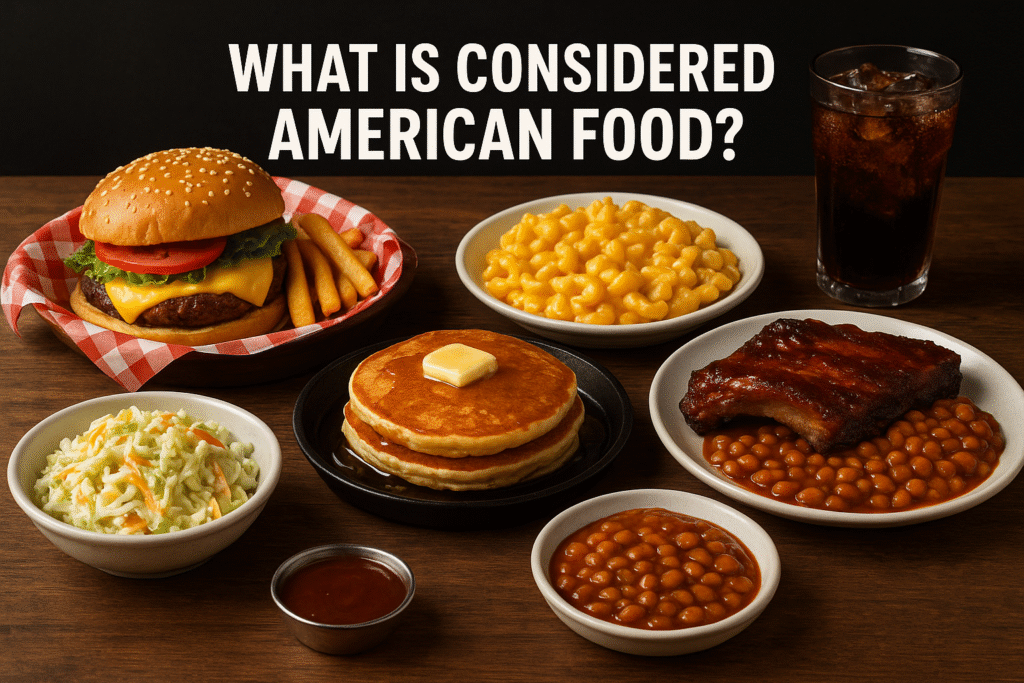
What is Considered American Food
What is Considered American Food and Why the Answer May Surprise You
What is considered American food? It sounds like an easy question, but the answer is layered with history, culture, and a little bit of controversy. Think about it—hot dogs, burgers, apple pie, fried chicken—those all scream “America,” right? But each one actually came from somewhere else before it got rebranded as part of the American story. That’s the beauty of it. American food isn’t just about recipes; it’s about evolution, adaptation, and a constant remix of flavors from every corner of the world. You see, what we consider American food isn’t fixed—it’s alive, always shifting, and deeply tied to the people who make it.
What Defines American Cuisine Today
American cuisine today is less about rigid definitions and more about creativity and blending. At its core, American food often reflects regional ingredients, immigrant traditions, and a preference for hearty, flavorful meals. Burgers, fried chicken, barbecue, and sandwiches may come to mind first, but the variety is staggering.
For instance, farm-to-table dining has become a huge part of the modern food scene, where freshness and sustainability are prioritized. At the same time, comfort foods remain a cornerstone of American identity, representing nostalgia and cultural bonding.
When you think about it, what defines American food is not one dish, but the concept of freedom in cooking—mixing, matching, and reinventing without losing touch with tradition.
The Cultural Melting Pot of American Food
One of the strongest characteristics of American cuisine is its diversity. Immigrants from all over the globe brought their traditional foods, and over time, these flavors merged into the national food culture. Italian pizza, German sausages, Mexican tacos, and Chinese stir-fry all found a place in the American kitchen.
This melting pot effect is why food in America feels so familiar yet endlessly varied. You might find sushi burritos in California, deep-dish pizza in Chicago, and Cajun gumbo in Louisiana, all existing under the umbrella of American cuisine.
It’s this ability to adapt and embrace different traditions that makes American food stand apart as a reflection of its people—diverse, resilient, and creative.
Regional Differences in American Dishes
American food cannot be understood without exploring regional cuisines. The South is known for soul food staples like fried chicken, cornbread, and collard greens. Texas and Kansas shine in barbecue traditions, each with their own styles of smoking and seasoning.
New England favors clam chowder and lobster rolls, while the Midwest embraces hearty casseroles and deep-dish pizza. The West Coast, with its abundance of produce, emphasizes fresh salads, seafood, and fusion cuisine influenced by Asian and Latin American flavors.
These differences prove that there’s no single definition of American food—it’s a spectrum shaped by geography and culture.
Iconic Meals That Shaped American Identity
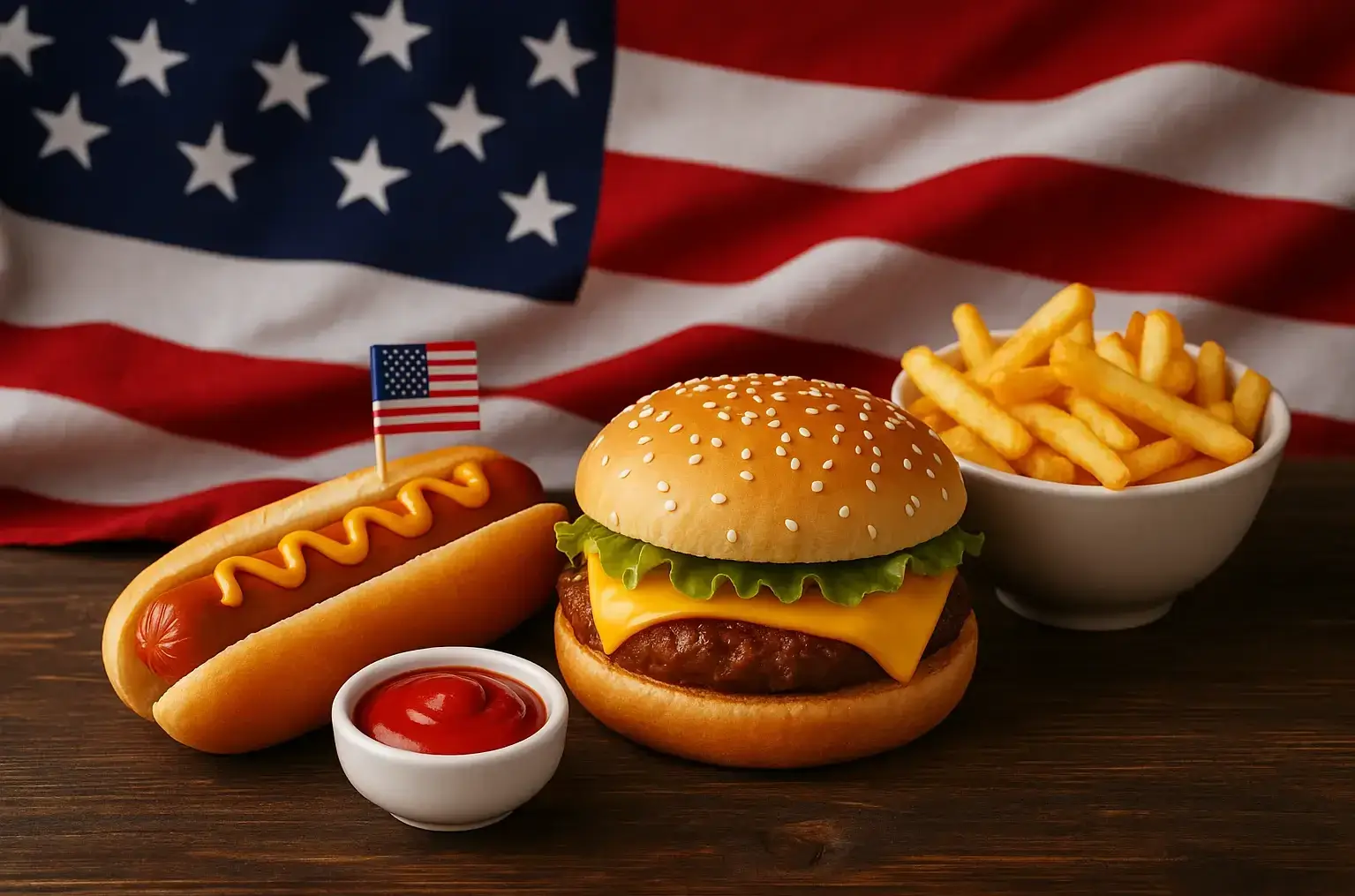
Some foods became symbols of America. The hamburger and hot dog, for example, are staples at baseball games, backyard barbecues, and summer cookouts. Apple pie, often called “as American as apple pie,” is more than just dessert—it’s a national icon tied to tradition and patriotism.
Thanksgiving turkey, mashed potatoes, and cranberry sauce represent unity and cultural ritual. Pancakes with maple syrup are breakfast classics, while fried chicken continues to bridge regional and cultural divides.
These iconic meals may not all be native inventions, but they’ve been embraced, reinvented, and celebrated until they became inseparable from American identity.
The Role of Immigration in Shaping American Food Traditions
Immigration has been the heartbeat of American cuisine. Without it, the food landscape would be unrecognizable. Italians brought pizza and pasta, Germans introduced sausages and beer traditions, and Mexican flavors influenced Tex-Mex staples like tacos and nachos.
Chinese immigrants contributed dishes that were adapted into “American-Chinese” favorites such as General Tso’s chicken. Meanwhile, Middle Eastern cuisines introduced falafel and hummus to mainstream dining tables.
The truth is, every wave of immigrants added something to the table, literally. What is considered American food is essentially the history of immigration written in recipes.
Fast Food and Its Influence on American Dining
It’s impossible to talk about American food without mentioning fast food. McDonald’s, Burger King, Taco Bell, and KFC transformed dining by prioritizing speed, affordability, and consistency. Fast food became a global symbol of American culture—sometimes celebrated, sometimes criticized.
While critics argue it encourages unhealthy eating habits, there’s no denying its role in shaping what people associate with American cuisine. Burgers, fries, and milkshakes are as much cultural markers as they are menu items.
Even so, fast food continues to evolve with healthier options, plant-based alternatives, and global menu adaptations, showing how flexible American food really is.
Classic Comfort Foods Americans Love
Comfort food has a unique place in American hearts. These are the meals tied to family gatherings, Sunday dinners, and childhood memories. Think of mac and cheese, meatloaf, mashed potatoes, and pot roast.
Comfort foods often emphasize richness, warmth, and nostalgia. They’re not necessarily the healthiest, but they provide a sense of belonging and cultural grounding. Each region has its own version—chili in Texas, chicken pot pie in Pennsylvania, or grits in the South.
At the end of the day, comfort food reminds us that American cuisine isn’t just about trends; it’s about tradition and connection.
The Debate Over What Counts as Authentic American Food
Here’s where things get interesting: what truly counts as “authentic” American food? Some argue that only dishes originating in America, like cornbread or clam chowder, fit the label. Others believe that once a dish becomes ingrained in American culture, it earns the title—like pizza or sushi rolls.
The truth lies somewhere in between. Authenticity in food is fluid, especially in a country built on cultural exchange. What was once foreign often becomes American through adaptation, repetition, and association with daily life.
So, authenticity may not be about origin—it may be about belonging. If it feels American, is eaten widely, and has cultural resonance, then it counts.
How Holidays and Celebrations Define American Meals
Holidays offer some of the clearest examples of American food traditions. Thanksgiving is inseparable from turkey and pumpkin pie. The Fourth of July is tied to cookouts, burgers, and hot dogs. Christmas often brings ham, cookies, and eggnog to the table.
Super Bowl Sunday is practically its own food holiday, featuring wings, nachos, and pizza. These celebrations shape food habits and give people a sense of shared culture, even in such a diverse nation.
It shows that American food is not just about daily dining—it’s also about ritual, tradition, and the moments that bring people together.
The Future of American Cuisine in a Globalized World
Looking forward, American cuisine is set to become even more global. With increasing exposure to international flavors, Americans are embracing sushi burritos, Korean BBQ tacos, and Ethiopian coffee ceremonies as part of their dining habits.
At the same time, there’s a growing push toward sustainability, plant-based meals, and farm-to-table approaches. These trends may redefine what is considered American food in the next generation.
In any case, the future looks vibrant, with American cuisine continuing to evolve as a canvas for creativity, cultural exchange, and innovation.
Conclusion
So, what is considered American food? It’s not a single dish or tradition but a dynamic blend of cultures, histories, and flavors. From burgers and fried chicken to tacos and sushi rolls, American food is defined by its diversity and ability to adapt. At its heart, it tells the story of people, immigration, and creativity. If this deep dive gave you a new perspective on American cuisine, share your thoughts in the comments, pass this along to a foodie friend, or subscribe for more cultural food explorations. After all, food is one of the best ways to understand America’s story.
FAQs About What is Considered American Food
What are the most popular American foods?
Some of the most popular American foods include burgers, fried chicken, hot dogs, apple pie, barbecue, pizza, and mac and cheese.
Is pizza considered American food?
While pizza originated in Italy, it has become a staple of American cuisine with unique styles like New York thin crust and Chicago deep-dish. So yes, pizza is considered American as well.
What food is truly American?
Foods like corn, turkey, and dishes rooted in Native American traditions are truly native. However, many immigrant dishes adapted over time also qualify as American.
Why is American food so diverse?
The diversity comes from immigration, regional traditions, and cultural blending. Every community contributed flavors and techniques that shaped the American dining table.
How is American food different from other cuisines?
Unlike cuisines with strict traditions, American food thrives on flexibility, adaptation, and reinvention, making it a unique and ever-changing cultural expression.
- 0
- By Pankajatray
- September 6, 2025 19:02 PM