

13, Nov 2025
What Are Poke Bowls
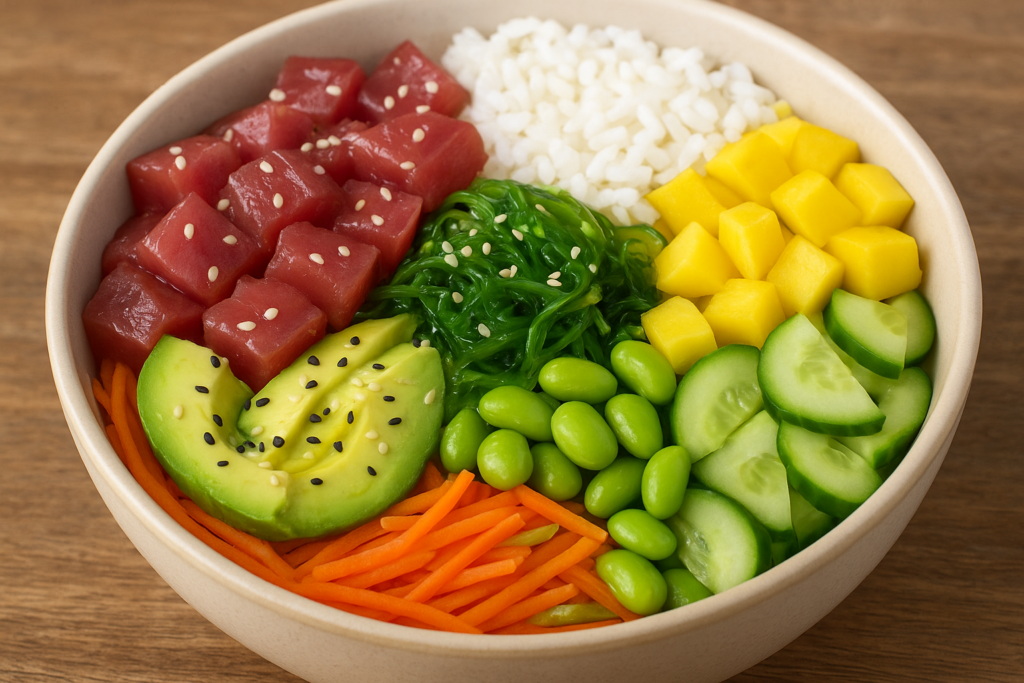
What Are Poke Bowls? A Complete Guide to Ingredients, Origins, Health Benefits, and How to Make Them at Home
I still remember the first time I tried a poke bowl. It felt like discovering a new rhythm for lunch—fresh, colorful, satisfying, and surprisingly filling without feeling heavy. At first glance, it looked almost too simple: diced fish, rice, and a handful of toppings. But the more I learned about poke bowls, the clearer it became that they are not defined by a single recipe. Instead, poke bowls are a flexible food format rooted in Hawaiian history, cultural exchange, and the idea of balance.
So, what are poke bowls?
The short answer is that poke bowls are Hawaiian-inspired dishes made with diced protein—traditionally raw fish—served over a base like rice and finished with sauces and toppings. The better answer is that poke bowls represent a way of eating that respects freshness, simplicity, and personal taste. They invite creativity while still honoring where the dish came from.
In this guide, you’ll learn where poke bowls originated, how they evolved, what makes a well-balanced bowl, how to build one at home, and how to make smart, healthy, and safe choices along the way.
Where Did Poke Bowls Come From?
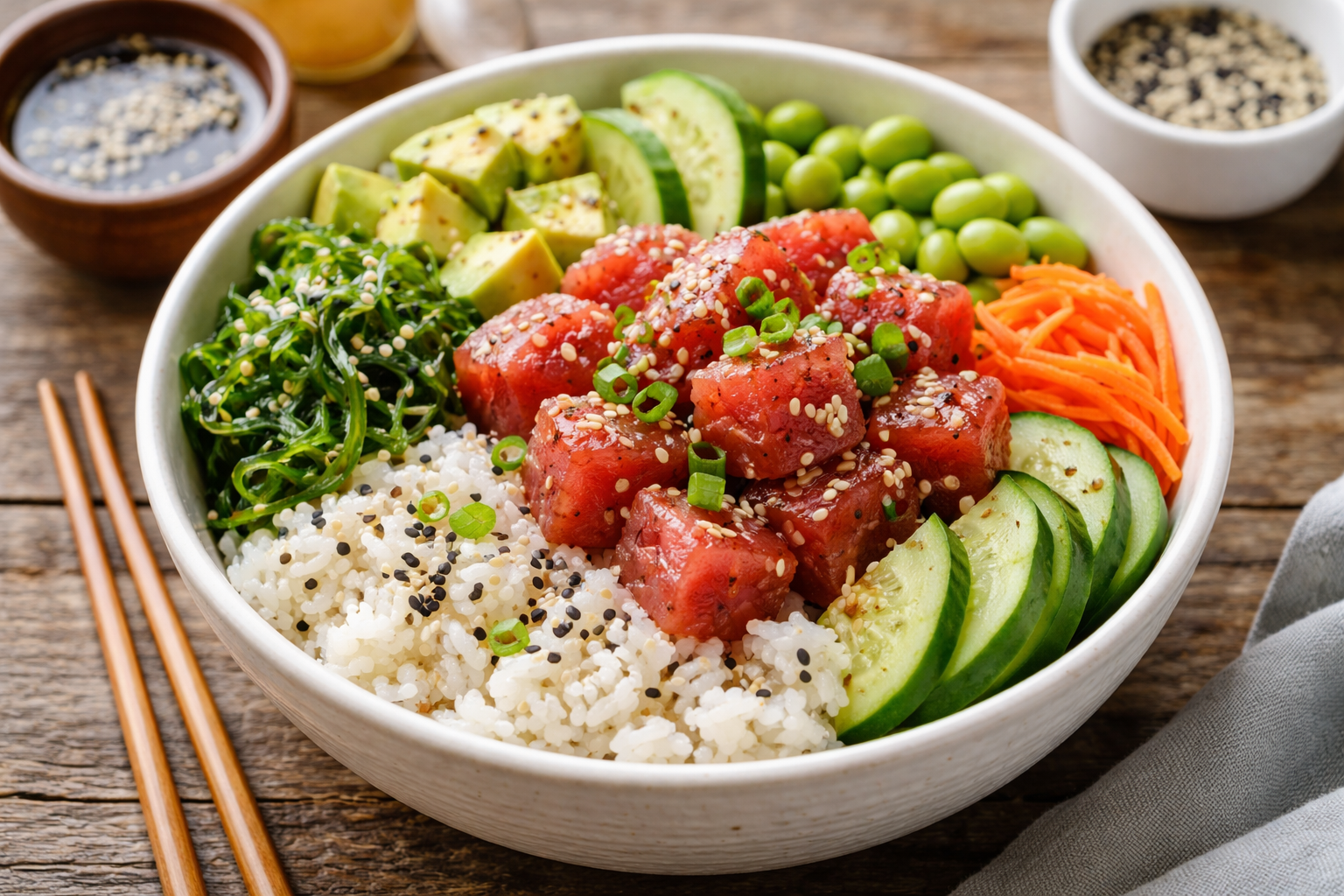
Poke (pronounced poh-keh) originates in Hawaii and dates back centuries. Native Hawaiian fishermen prepared simple meals using freshly caught reef fish. The fish was cut into bite-sized pieces and seasoned lightly with sea salt, limu (edible seaweed), and crushed kukui nut. The word poke literally means “to slice” or “to cut crosswise.”
This preparation was never meant to be fancy. It was practical food, eaten near the ocean, often shortly after fishing. Freshness mattered more than technique, and seasoning was intentionally minimal so the natural flavor of the fish could shine through. This philosophy still defines high-quality poke today.
As Hawaii became a cultural crossroads, poke naturally evolved. Japanese immigrants introduced soy sauce and sesame oil. Later influences from Chinese, Filipino, and Korean cuisines added new seasonings and textures. Over time, poke became a common dish in Hawaiian markets, grocery stores, and plate lunches.
In the 21st century, poke bowls spread globally. Restaurants adapted the concept for local tastes, adding ingredients like avocado, mango, spicy mayo, quinoa, and mixed greens. While these modern versions differ from traditional Hawaiian poke, they reflect the dish’s adaptability rather than a loss of authenticity.
Why Understanding Poke’s Origins Matters
Understanding where poke comes from changes how you approach it. When you know that poke started as a fisherman’s snack, you naturally focus on ingredient quality instead of excess. Rather than piling on heavy sauces, you learn to appreciate clean flavors, proper texture, and balance.
This respect for origin aligns closely with modern food values—freshness, transparency, and mindful eating. That is one reason poke bowls continue to feel relevant even as food trends change.
What Are the Core Components of a Poke Bowl?
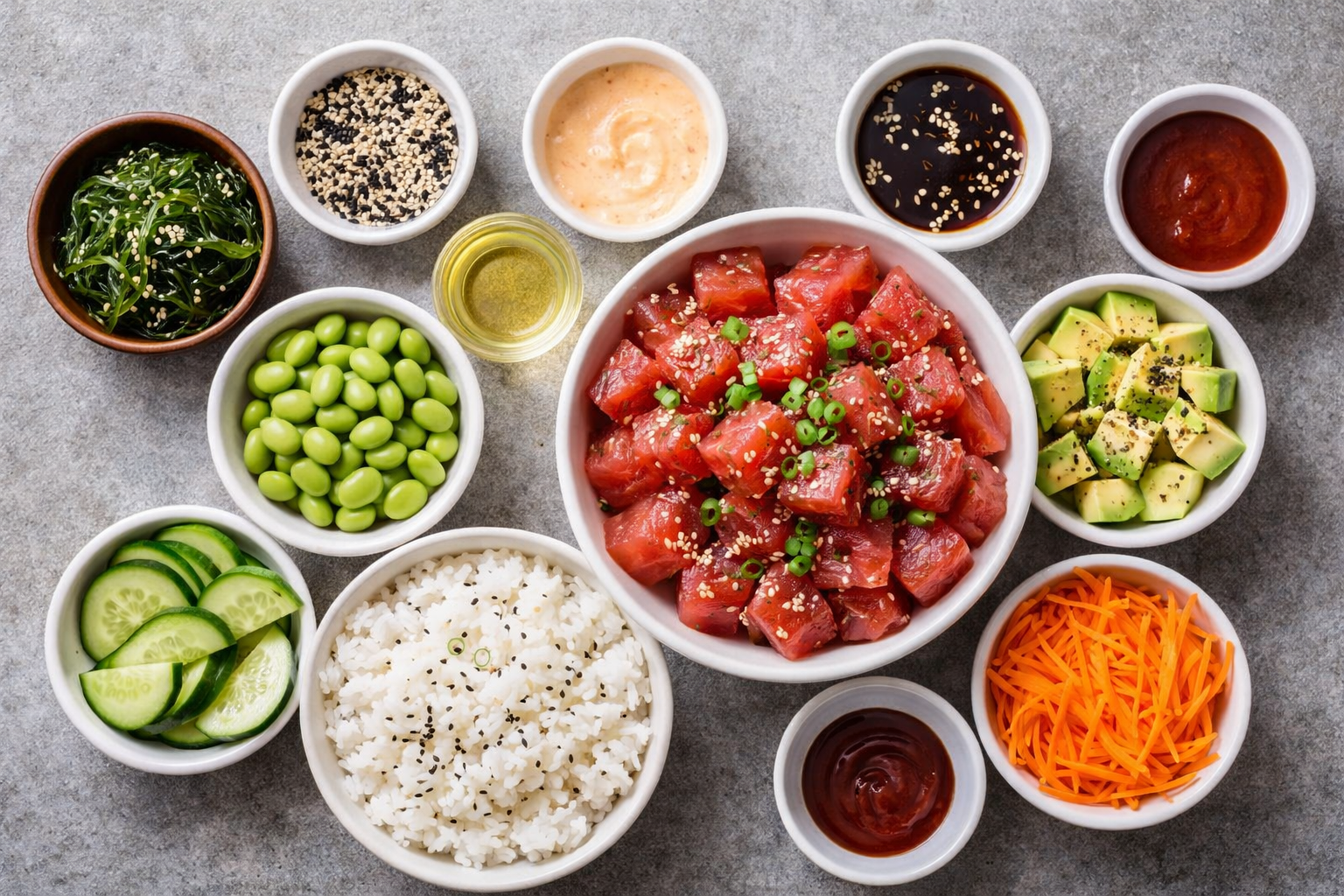
Although poke bowls can look very different from one another, most follow a similar structure. Understanding these core components helps you build better bowls at home and recognize quality when ordering out.
1. The Base
Traditionally, poke is served over steamed short-grain white rice. Its slightly sticky texture holds sauce well and provides a neutral foundation. Brown rice adds fiber and a nutty flavor, while mixed greens offer a lighter, lower-carb alternative. Some modern bowls use soba or udon noodles for a heartier variation.
2. The Protein
Protein is the centerpiece of the bowl. Raw ahi tuna is the classic choice, with salmon as a close second. However, modern poke bowls often include cooked proteins such as grilled shrimp, seared tuna, or teriyaki salmon. Plant-based options like tofu, tempeh, chickpeas, and marinated mushrooms are also popular.
3. The Sauce
Sauce ties everything together. Traditional poke relies on soy sauce and sesame oil, while modern bowls may include ponzu, spicy mayo, or citrus-based dressings. The key is moderation—sauce should enhance, not overpower.
4. Toppings and Crunch
Toppings add color, texture, and contrast. Common options include cucumber, avocado, seaweed salad, edamame, radish, mango, and scallions. Crunchy finishes such as sesame seeds, fried shallots, crushed nori, or macadamia nuts complete the bowl.
A good poke bowl feels balanced in every bite—soft, crunchy, fresh, and savory at the same time.
Which Proteins Work Best in Poke Bowls?
Raw fish remains the traditional standard. Ahi tuna and salmon are ideal because they are firm, clean-tasting, and hold their shape when cubed. When sourced properly, they provide a silky texture and rich flavor without heaviness.
Cooked proteins make poke bowls more approachable. Seared tuna offers the best of both worlds, while grilled shrimp and teriyaki salmon provide familiar flavors. Crab and imitation crab are also common, especially in fusion-style bowls.
Plant-based poke bowls rely on texture and umami rather than fish. Extra-firm tofu absorbs marinades well, tempeh adds chewiness, and mushrooms offer depth. Roasted sweet potatoes and seasoned chickpeas create filling vegan alternatives.
The bowl format rewards experimentation, so seasonal swaps and personal preferences are always welcome.
How to Make Simple Sauces Without Overpowering the Bowl
A good poke sauce should enhance ingredients rather than dominate them. A balanced base sauce often includes light soy sauce, sesame oil, rice vinegar, and a small amount of sweetness. Chili paste or sriracha adds heat, while citrus juice brightens the overall flavor.
Thin sauces work best when tossed lightly with fish or drizzled over rice. Creamy sauces, such as spicy mayo, should be used sparingly as a finishing touch. Always taste as you go—often a squeeze of lime adds more balance than extra salt.
Choosing the Right Base: Rice, Greens, or Noodles
Your base sets the tone for the bowl. White rice feels comforting and traditional. Brown rice adds nutrition and satiety. Greens make the bowl lighter and fresher. Noodles create a heartier, more indulgent experience.
Many people mix bases, such as greens with a scoop of rice, to get the best of both worlds. There is no single correct choice—balance is what matters.
Are Poke Bowls Healthy?
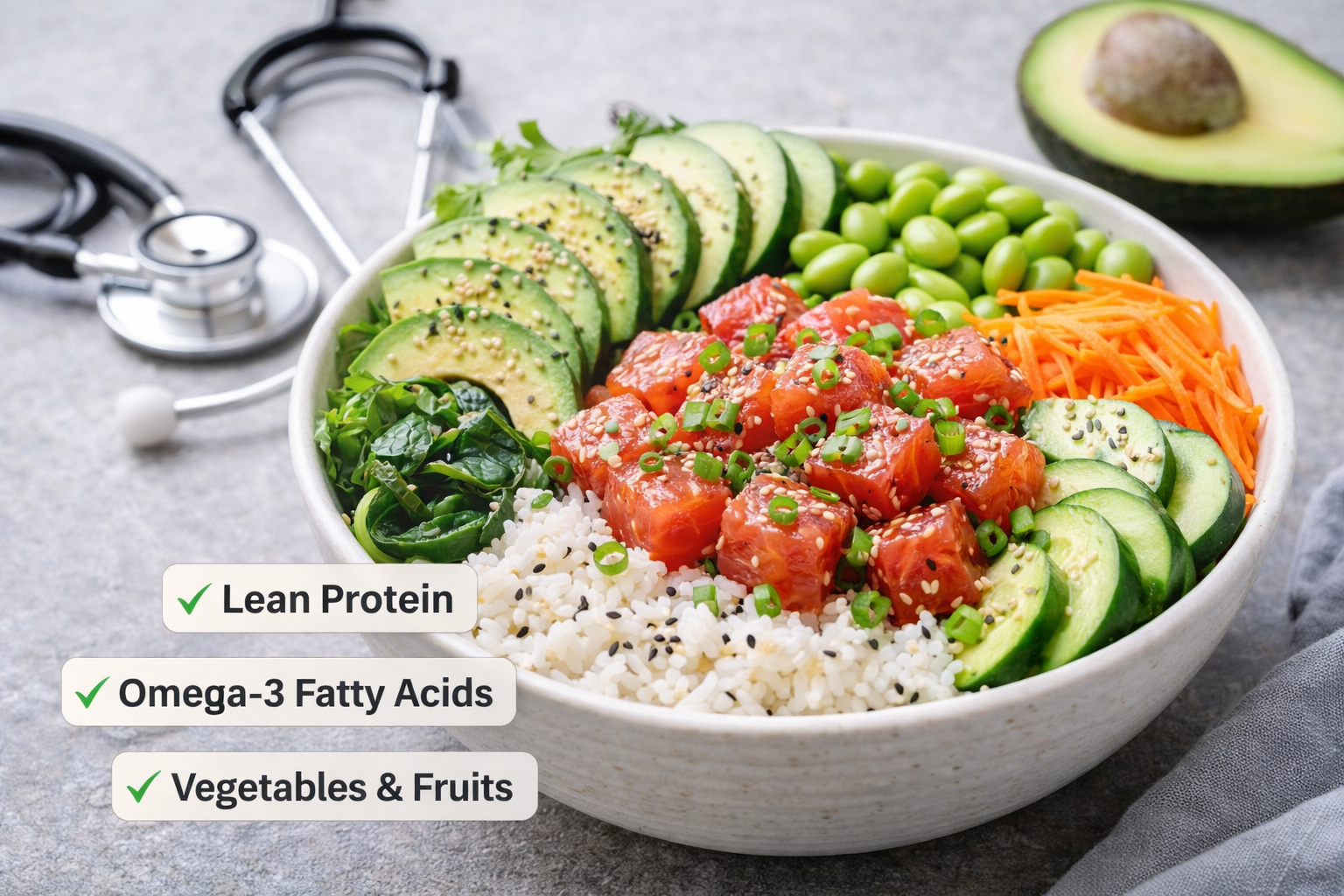
When built thoughtfully, poke bowls can be very healthy. They offer lean protein, omega-3 fatty acids, fiber-rich vegetables, and customizable portions. They are naturally gluten-free when soy sauce alternatives are used.
However, it’s easy to turn a poke bowl into a calorie-heavy meal. Sodium-rich sauces, fried toppings, and large amounts of creamy dressing can quickly add up. Portion control is key.
A balanced poke bowl typically includes a palm-sized portion of protein, one cup of base, plenty of vegetables, and moderate sauce.
How to Choose Safe Fish for Raw Poke
Safety is essential when eating raw fish. Always purchase sushi- or sashimi-grade fish from reputable markets. The fish should smell clean and fresh—not fishy—and have a firm texture.
Keep fish cold at all times and consume raw poke within 24 hours. Pregnant individuals, young children, and people with compromised immune systems should choose cooked proteins instead.
When in doubt, lightly searing the outside of the fish adds peace of mind without sacrificing flavor.
Simple 10-Minute Poke Bowl Recipe
To make a quick poke bowl at home, start with cooked short-grain rice. Cube sashimi-grade ahi tuna and toss it lightly with soy sauce, sesame oil, rice vinegar, and a touch of honey.
Place rice in a bowl, add tuna, then top with cucumber, avocado, edamame, and shredded carrots. Drizzle lightly with remaining sauce and finish with sesame seeds and scallions.
This recipe is a template—swap proteins, change bases, or add seasonal produce to make it your own.
Global Variations of Poke Bowls
As poke bowls spread worldwide, they absorbed global flavors. Korean-inspired bowls use gochujang and kimchi. Japanese versions emphasize ponzu and pickled vegetables. Tropical bowls highlight mango, pineapple, and citrus. Fusion bowls may include avocado crema or fresh salsa.
These variations show how poke remains flexible while keeping its core identity intact.
Frequently Asked Questions
What are poke bowls?
Poke bowls are Hawaiian-style meals built around diced protein, a base like rice or greens, sauces, and toppings.
Are poke bowls safe to eat raw?
Yes, when sushi-grade fish is used and handled properly. Cooked alternatives are safer for some individuals.
Can you make a vegan poke bowl?
Absolutely. Tofu, tempeh, mushrooms, and legumes work well with savory marinades.
How long do poke bowls stay fresh?
Raw fish bowls should be eaten within 24 hours. Cooked or vegetarian bowls last 2–3 days when refrigerated.
Final Thoughts
What are poke bowls? They are proof that simple food can be deeply satisfying. Built on freshness, balance, and adaptability, poke bowls honor their Hawaiian roots while welcoming creativity. Whether you enjoy bold flavors, quick meals, or healthy eating, poke bowls remain a modern classic worth mastering.
- 0
- By Pankajatray
- November 13, 2025 08:17 AM